Football is an activity that stirs intense passions; it has the power to unite and to divide, to bring out the most irrational aspects of our nature, and to evoke great joy as well as great heartache.
Religion is a phenomenon that also stirs up passions, and although Christianity holds that religion cannot be irrational, we can all agree that there is much that is irrational in religion, which can also be used to justify wars and atrocities, as well as to inspire great acts of charity and beauty.
In this project I’ll be bringing the two together. What could possibly go wrong?
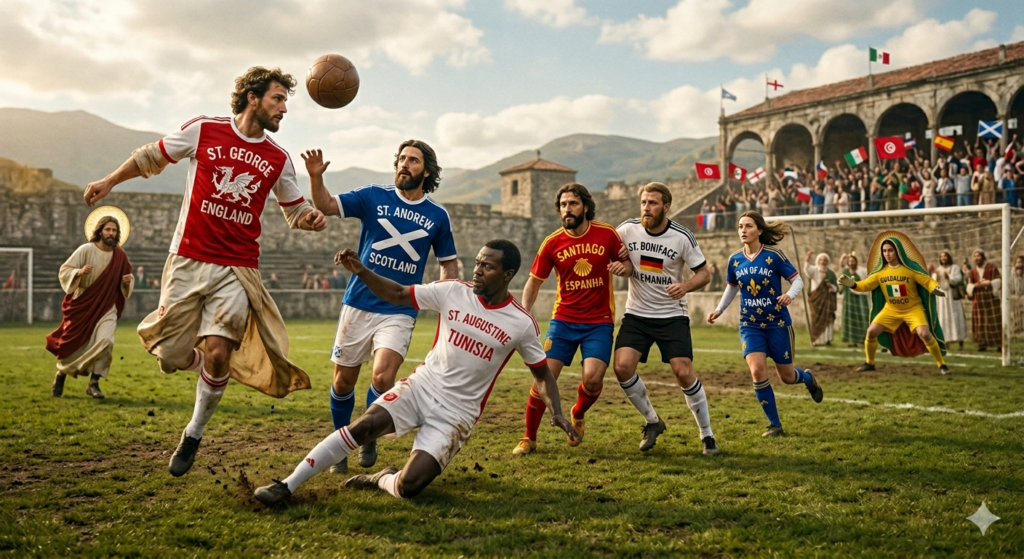
In this post, which I will be updating, I will gather information on religious curiosities from the participating countries and follow the World Cup of patron saints.
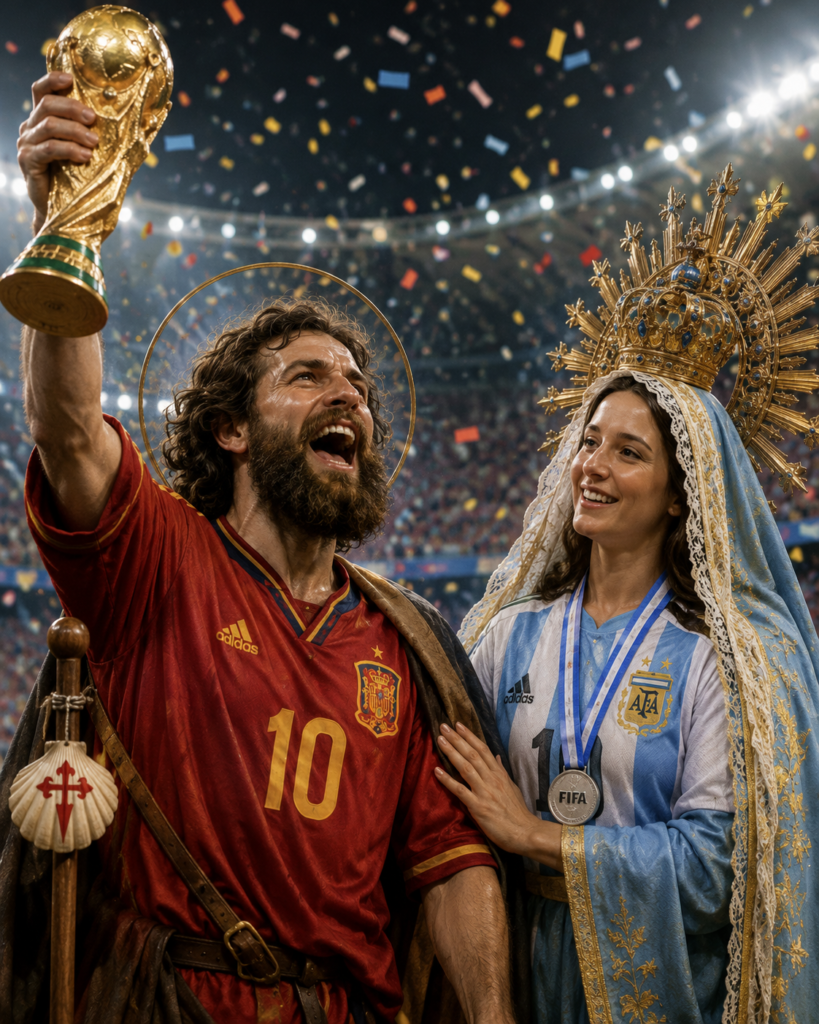
#50. Saint James the Greater, World Champion
49. Salvador Barbeito Doval
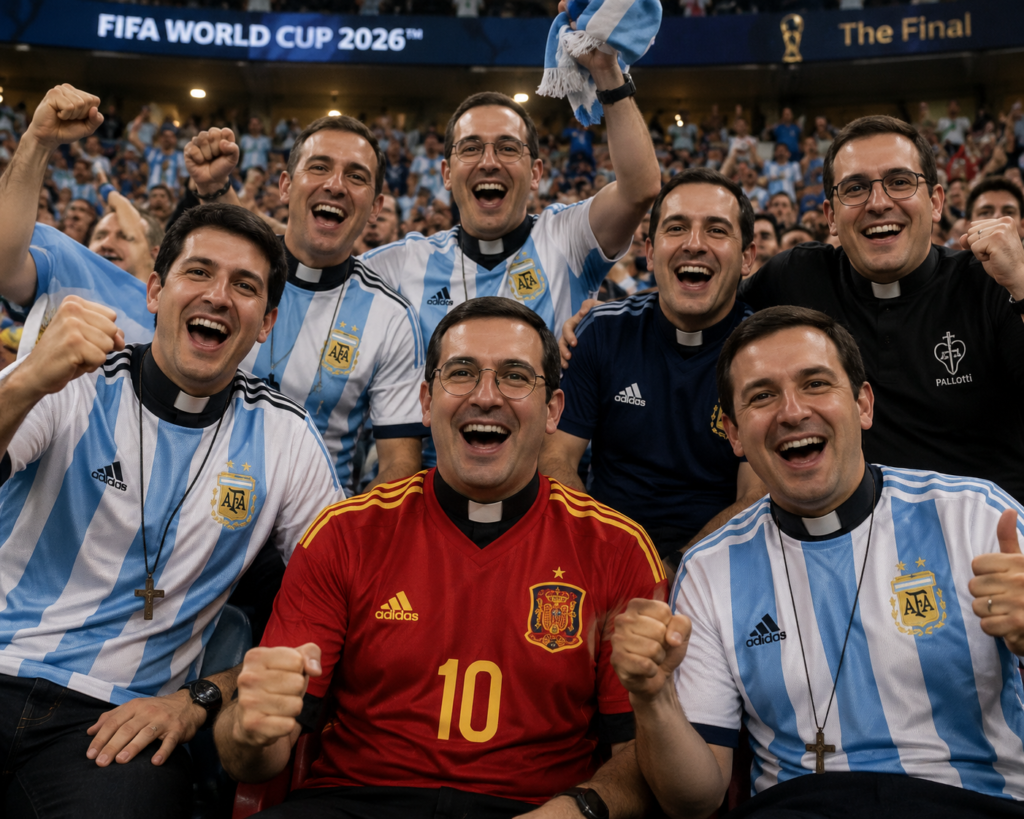
We written previously about foreign victims of the Spanish Civil War, but there were also cases of Spanish clergy who died as a result of persecution in other countries.
The Servant of God Salvador Barbeito Doval was born in Galicia but emigrated to Argentina with his family. He eventually embraced a religious vocation and joined the Pallottine community, which had close ties to the Argentine-Irish community.
On 4 July 1976, a death squad from the Argentine military junta raided the house and executed five members of the community, including the seminarian Barbeito Doval.
He was just one of many men and women murdered by the regime for their work on behalf of the poor and marginalised in Argentina.
48. The Martyrs of Compiègne
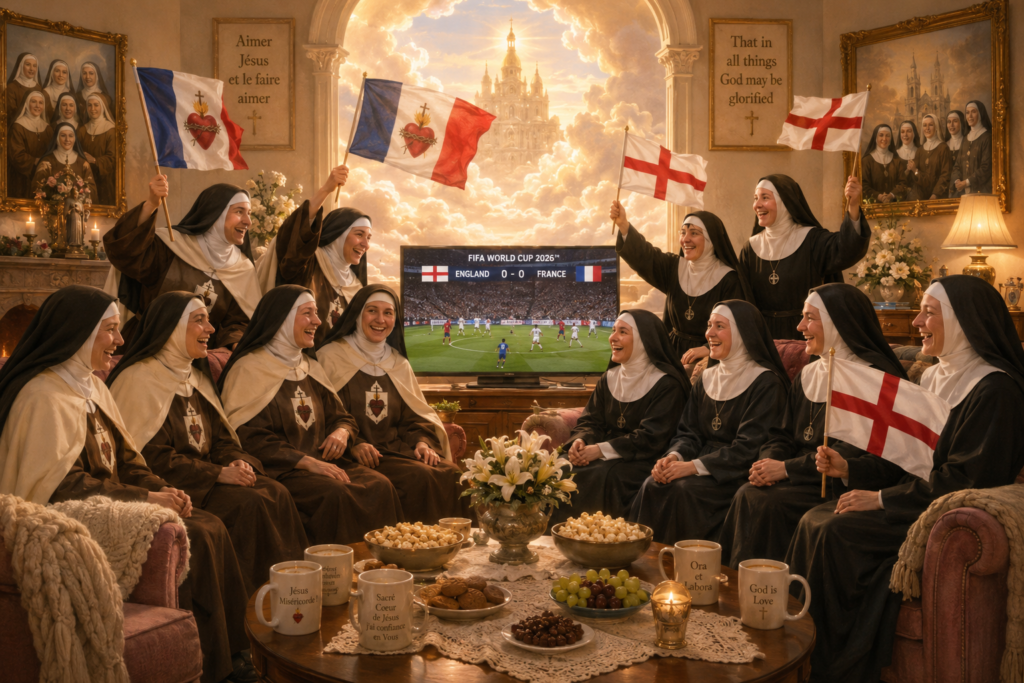
The 16 Discalced Carmelite nuns of Compiègne were guillotined during the Reign of Terror of the French Revolution in 1794. They are an example of the anti-Catholic madness that was the Revolution. The sisters offered their lives to bring an end to this madness, and a few days later its chief architect, Robespierre, was himself guillotined, bringing the worst of the nightmare to an end.
Less well known is the fact that the 16 martyrs shared their prison cell, before their deaths, with 21 English Benedictine nuns who were in France because of persecution in England and who had also been arrested. As they were English, they were not executed, although four died as a result of the conditions in which they were held.
The sisters supported one another in prison, and when they were able to return to England, the Benedictines took with them the French sisters’ civilian clothes, which they kept as relics.
Friends in terror, friends in death, friends surely in Heaven. Not everything is rivalry between France and England.
47. Saint Malo
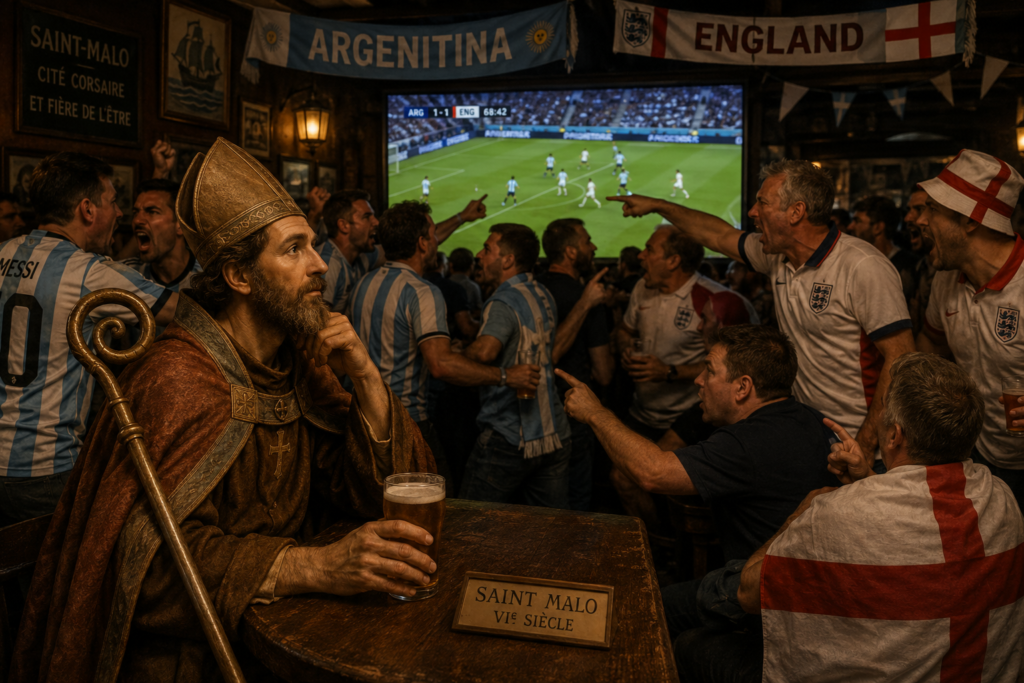
It may seem strange to choose a 6th century Welsh saint, who dedicated his life to French Brittany, as the patron saint for the match between England and Argentina, but you’ll soon see why.
Saint Malo was born into a noble family in Wales and his parents expected him to inherit their lands and titles, but Malo chose instead to lead a monastic life. He travelled to Brittany, where he lived as a monk but was eventually appointed bishop.
Life as a bishop was difficult, with constant disputes with local chieftains and struggles against paganism.
Among his legacies in France was the city of Saint-Malo, in Brittany, from where the explorer Louis-Antoine de Bougainville set sail in the 18th century. Louis Antoine travelled to South America, where he discovered an island which he named in honour of his point of departure: Îles Malouines, which eventually became known in Spanish as the Malvinas or, in English, the Falkland Islands.
Saint-Malo is thus linked to the source of great discord between Argentina and England. Which side is he on today?
46. Saint Louis IX and Saint Ferdinand III
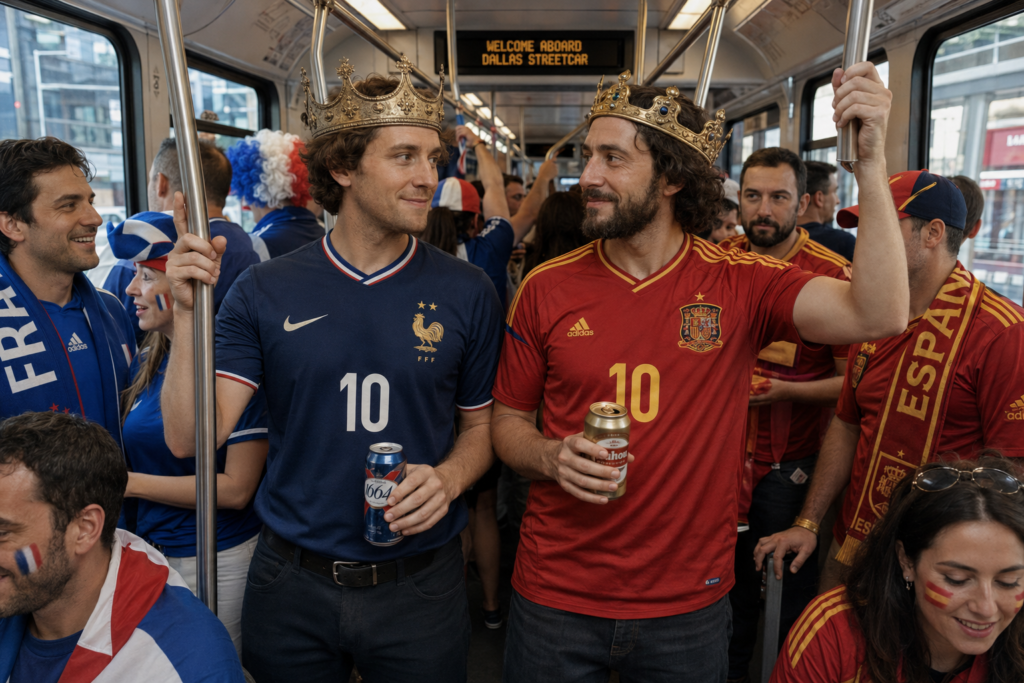
Louis IX, King of France, and Ferdinand III, King of Castile and Toledo, were first cousins and were both eventually canonised by the Catholic Church.
Ferdinand III was born first, around 1200, and became King in 1217. He played an important role in the Christian reconquest of the Iberian Peninsula and was therefore awarded the title ‘Athleta Christi’ by the Pope.
Louis IX was born in 1214 and succeeded his father in 1226, aged just 12, so his mother – a Spaniard and sister of Ferdinand III’s mother – served as regent for a number of years. He became known for his great wisdom and justice, and also for his participation in rather unsuccessful Crusades.
The two cousins are going head-to-head today in a bid to reach the final of the 2026 World Cup.
45. Nossa Senhora de Einsiedeln
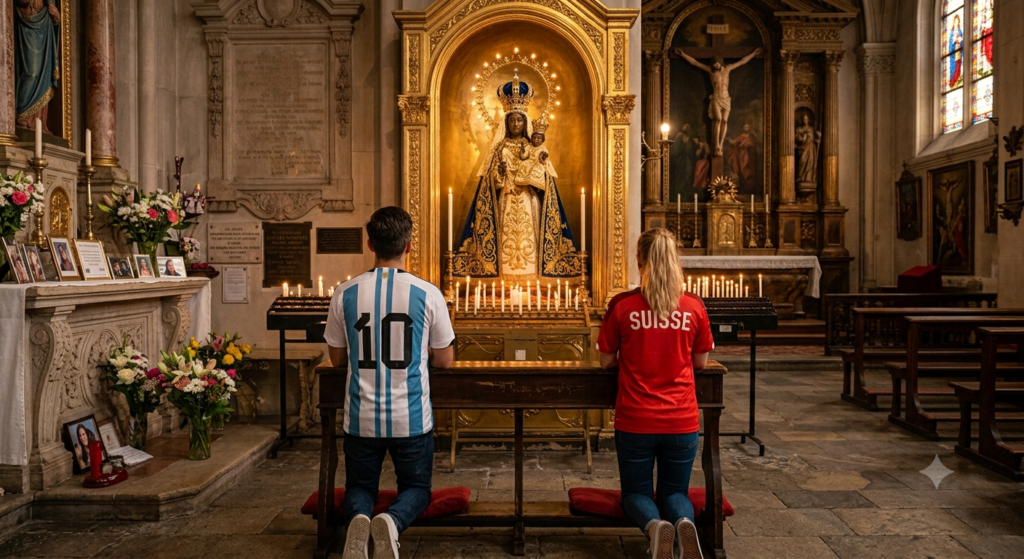
A devoção a Nossa Senhora de Einsiedeln é uma das mais marcantes e fortes na Suíça, datando do Século XV e centrada no mosteiro de Einsiedeln.
Trata-se de uma imagem de Nossa Senhora negra. Como outras parecidas, parece que a cor vem do facto de ter ficado exposta a fumo de velas durante muitos anos.
No Século XIX houve uma onda de emigração massiva da Suíça para a Argentina. Os emigrantes levaram com eles a devoção e hoje existem dois importantes centros de peregrinação a Nossa Senhora de Einsiedeln, uma em Buenos Aires, no Mosteiro Beneditino de Santa María de los Toldos e outra no Santuario del Padre Celestial y Nuestra Señora de Einsiedeln, em Córdoba.
44. Jon Sigurd
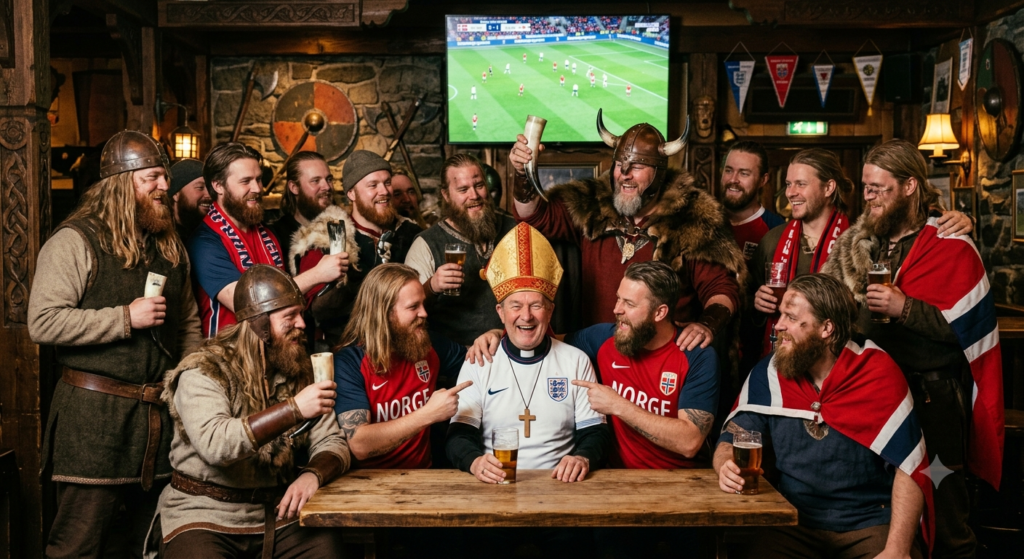
Inglaterra desempenhou um papel muito importante na evangelização da Noruega. Foi em Inglaterra que se converteram alguns dos chefes noruegueses que ajudaram a implementar o Cristianismo naquele país nórdico.
No Século X Olaf Tryggvason converteu-se em Inglaterra e quando voltou para a Noruega levou com ele um bispo inglês. Jon, que passou a ser conhecido na Noruega como Sigurd, evangelizou incansavelmente.
Depois da morte de Olaf (não confundir com o Santo Olavo referido no jogo da Noruega contra o Iraque), passou para a Suécia e continuou lá o seu trabalho de evangelização.
Venerado tanto na Suécia como na Noruega, é comemorado numa capela da catedral de Nidaros, Trondheim.
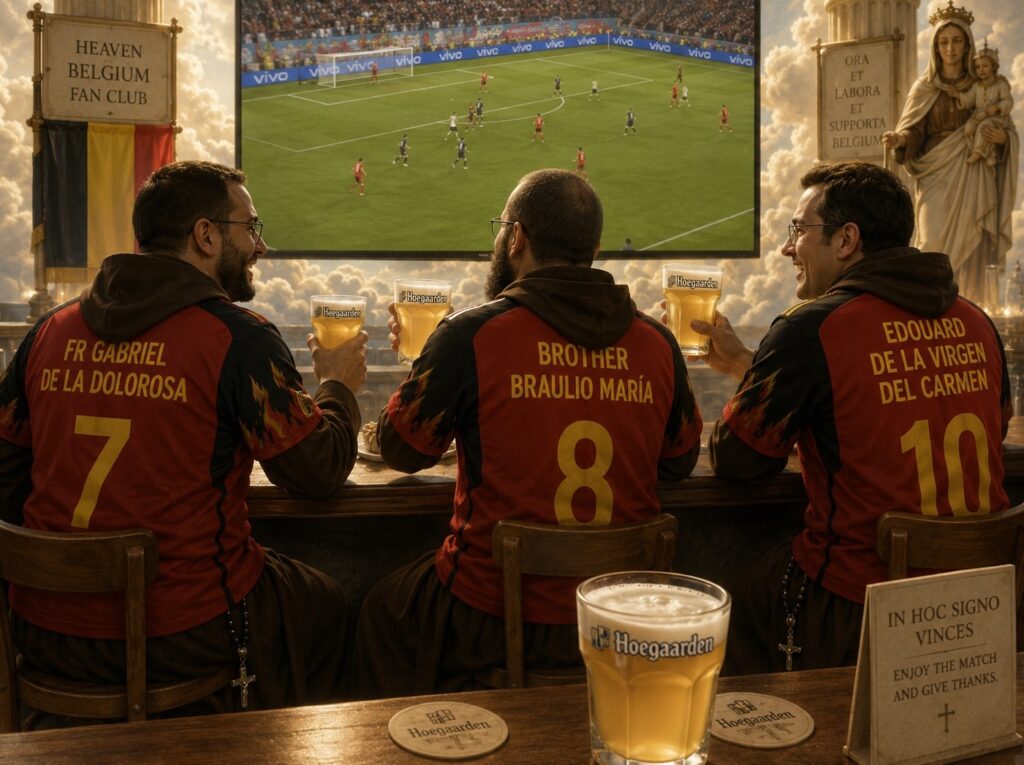
43. Father Gabriel de la Dolorosa, Brother Braulio María and Edouard de la Virgen del Carmen
The Spanish Civil War was one of the most horrific episodes of the 20th century, with atrocities committed on both sides. One of its most distinctive features was the ‘Red Terror’, which claimed the lives of countless Catholics, including laypeople, men and women religious, priests and even bishops.
Fr Gabriel de la Dolorosa was a Passionist priest who was executed by Republican militias in 1936.
Braulio María was a member of the De La Salle Brothers, a teacher, and was executed in September 1936.
Edouard de la Virgen del Carmen was a Discalced Carmelite, murdered in the early months of the conflict in Catalonia.
What these three martyrs have in common is that they were all Belgian.
The fourth glass in the picture is mine. Here’s to them.
42. Jean-Mohammed ben Abd-el-Jalil
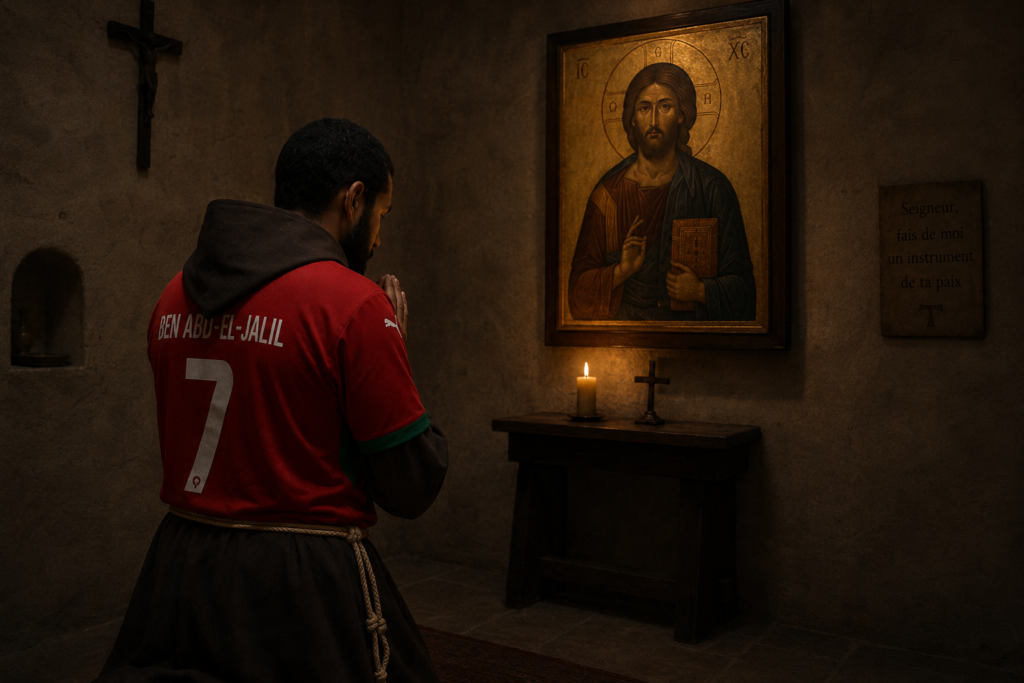
Who knew there was a servant of God called Mohammed? He was born in Morocco into an aristocratic and deeply devout Muslim family. He made his first pilgrimage to Mecca when he was just 9 years old.
He later received a scholarship to study in Paris, and it was there that he grew to know great Christian intellectuals, such as Jacques Maritain and Louis Massignon, who was a close friend of Charles Foucauld.
Following a profound mystical experience whilst attending Midnight Mass, he began to draw closer to the Church. He was baptised and later became a Franciscan priest.
Rather than rejecting his Muslim heritage, he kept the name Mohammed, adding “Jean” in honour of the Beloved Disciple. His ordination card included a verse from the Quran, and he devoted the rest of his life to building bridges between Islam and Christianity.
His conversion cost him dearly. Upon learning of it, his father held a funeral service for his son. He died in 1979, having spent the last years of his life as a hermit.
41. Saint Maria Bernarda and Blessed Maria Josefa
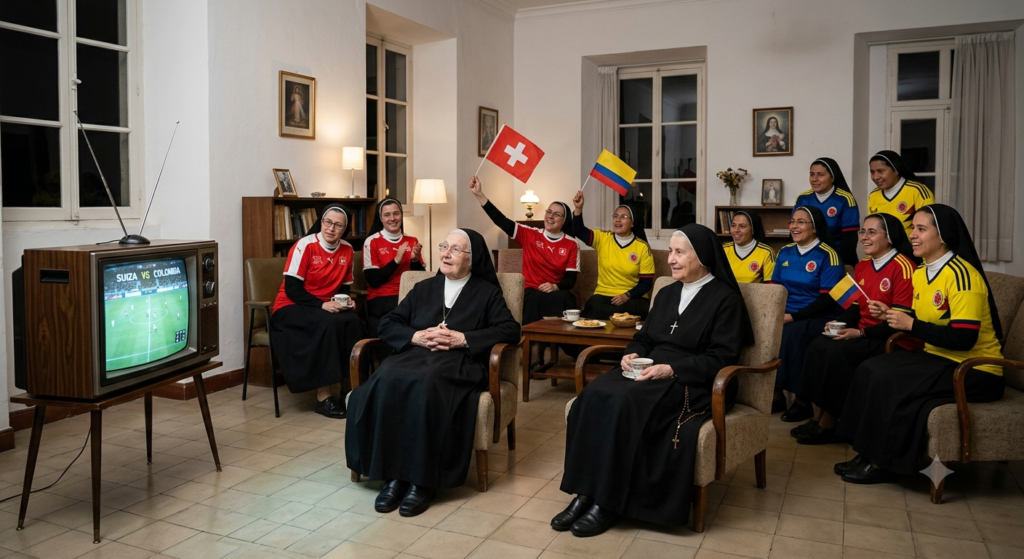
Saint Maria Bernarda Bütler and Blessed Maria Josefa Brader were originally from Switzerland, but set off together for Ecuador in the 19th century on a mission.
In 1888, they were forced to flee the country due to the anti-clerical climate, eventually finding refuge in Colombia. It was there that they carried out the remainder of their mission.
Maria Bernarda became one of Colombia’s most popular saints, thanks to her work with the poor and the sick, whilst Maria Josefa went on to found her own religious order.
The two Franciscan nuns are, therefore, a very strong link between the two countries, which will face each other tonight for a place in the World Cup quarter-finals.
40. Saint Nuno Álvares Pereira
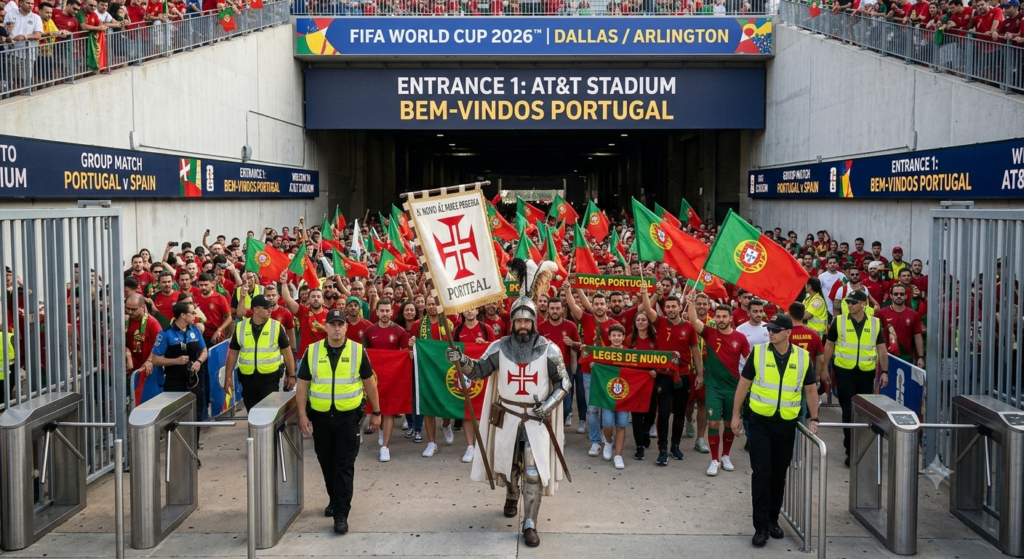
Would it have made sense to choose Queen Saint Elizabeth? Who, though born in what is now Spain, was Queen of Portugal and did so much for the country? It would.
Would it have made sense to choose Saint Vincent, who was martyred in Spain but, according to legend, came to rest in Portugal? Yes, it would.
But instead, I chose Saint Nuno Álvares Pereira, who led the Portuguese troops to the crucial victory at the Battle of Aljubarrota against the forces of Castile, thereby securing the country’s independence.
I recall that one of Saint Nuno’s characteristics was his charity towards his enemies. He treated the defeated with dignity and generosity and prayed for them. He fulfilled his duty, but took no pleasure in the carnage of war. Uninterested in material possessions, he entered a monastery and, although he had been a Constable of the Realm, chose to be a humble porter. Perhaps he could be the patron saint of Fair Play…
Let’s see if his example inspires the Portuguese in tonight’s match.
39. Saint Athanasius
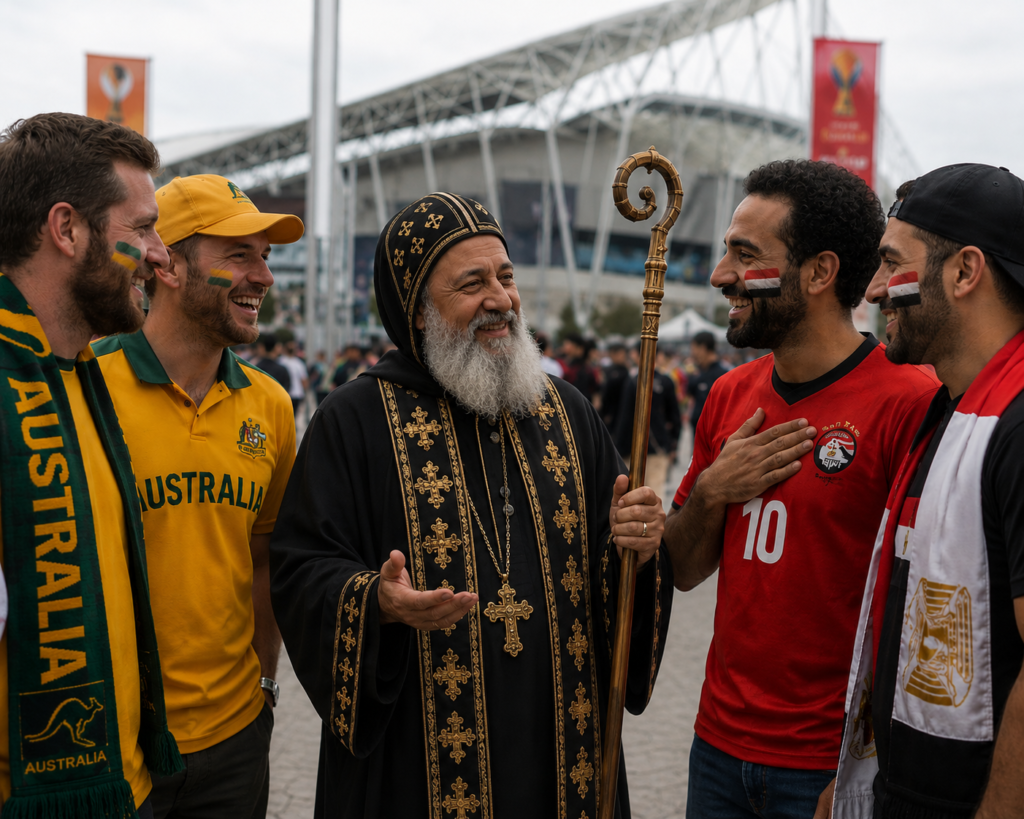
Saint Athanasius was the 20th Patriarch of Alexandria, at a time when there was still no division between the Copts and the rest of Christendom.
Recognised as a Doctor of the Church, he was a brilliant theologian and played a key role in fighting the heresy of Arianism.
There is a very significant Coptic community in Australia, and the Coptic Orthodox Cathedral in that country is named after Athanasius, thus establishing a link between the two countries that will be playing later today for a spot in the round of 16.
Of course, another interesting link is Archishop Angaelos, the Coptic Orthodox Bishop of Great Britain, who was born in Australia before returning to the Egypt of his ancestors to become a monk. But he has not been canonized yet, so does not technically qualify.
38. Saint Jerome
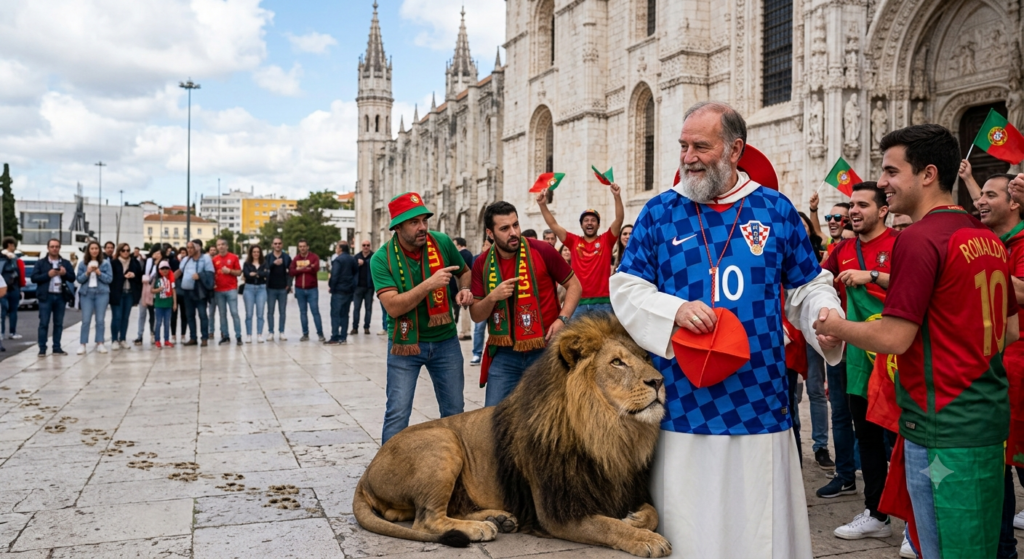
In Portugal, everyone is familiar with the name of Saint Jerome, the famous Doctor of the Church and translator of the Bible, if only because one of the country’s greatest monuments is named after him – the Jerónimos Monastery – as it belonged to the religious order he inspired.
But fewer people will know that Saint Jerome was originally from Dalmatia, which is now part of Croatia, thus establishing a peculiar link between the two countries.
Jerome is often depicted alongside a lion, as legend has it that he helped remove a thorn from the lion’s paw, and the lion remained his companion for the rest of his life.
37. Blessed Floribert Bwana Chui Bin Kositi
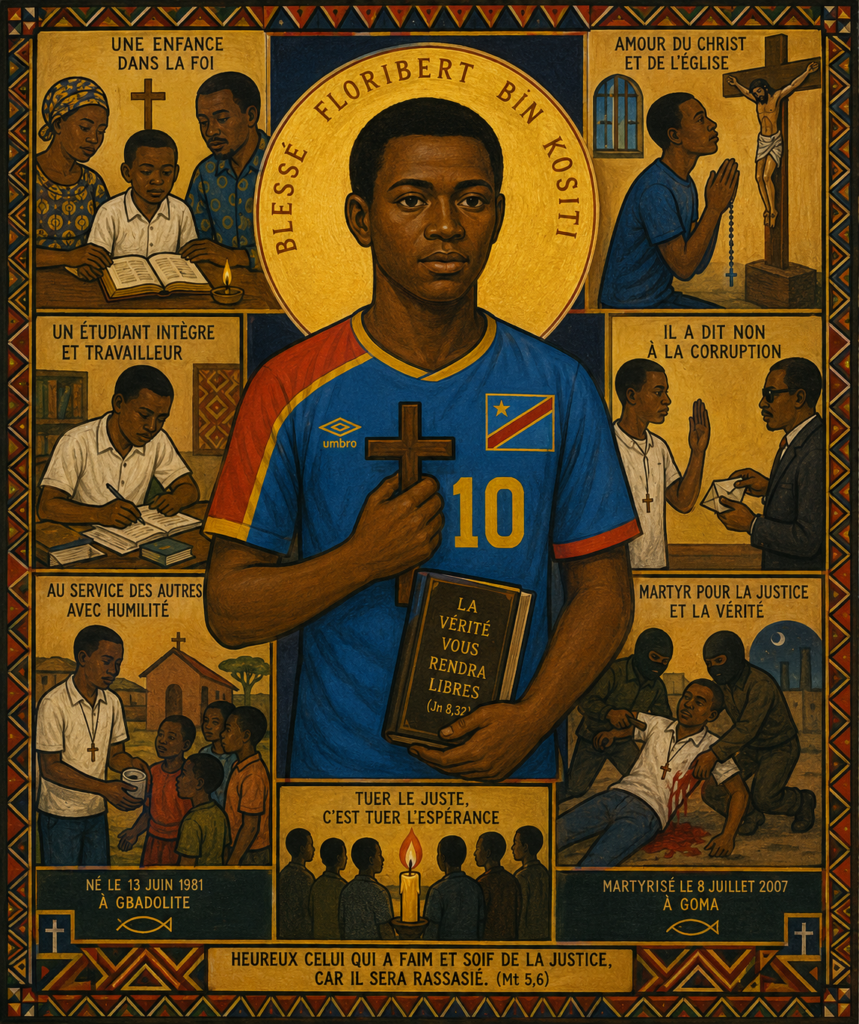
Floribert was a young customs officer in Goma, in the Democratic Republic of the Congo, and a devout Catholic.
In 2007, he was asked to sign off on the entry of a large shipment of rice. Upon inspection, he realised that the rice was past its use-by date and spoiled, and that if it were to enter the country and be sold, it could endanger the health of those who ate it, particularly the poor. He refused. He was then offered a large bribe, but, invoking his Christian faith, he rejected it.
Floribert was subsequently kidnapped, tortured and murdered by corrupt officials. Now beatified, he awaits canonisation, but is widely regarded as a patron saint of the fight against corruption, which makes invoking his name all the more fitting in the context of a football match in a tournament organised by FIFA.
36. 23/11 Jesuit Front
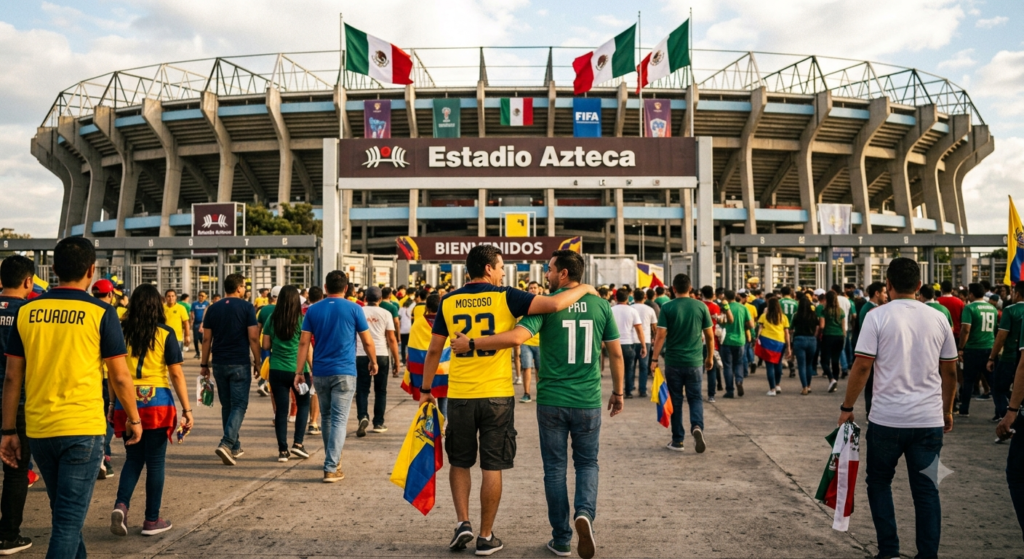
On 23 November, the Church commemorates two martyrs who died at the hands of anti-clerical forces out of hatred for the faith. One is Blessed Víctor Emilio Moscoso y Cárdenas, from Ecuador; the other is Saint Miguel Pro, from Mexico.
Father Emilio Moscoso, from Ecuador, was a Jesuit. During the Liberal Revolution, he became a target for the highly anti-clerical military forces. On 4 May 1897, soldiers broke into his residence, desecrated the chapel and the tabernacle, and entered his bedroom. Finding him on his knees in prayer, they shot him twice at point-blank range, killing him instantly.
Saint Miguel Pro was also a Jesuit and was executed in 1927, during the Cristero uprising against the anti-clerical government in Mexico. He was falsely accused of attempting to assassinate the President of the Republic, tried and convicted without any evidence.
The Church intentionally placed them on the liturgical calendar on the same day to emphasise the fact that they were victims of anti-clerical regimes in Latin America.
35. Servant of God Domingos Chohachi Nakamura
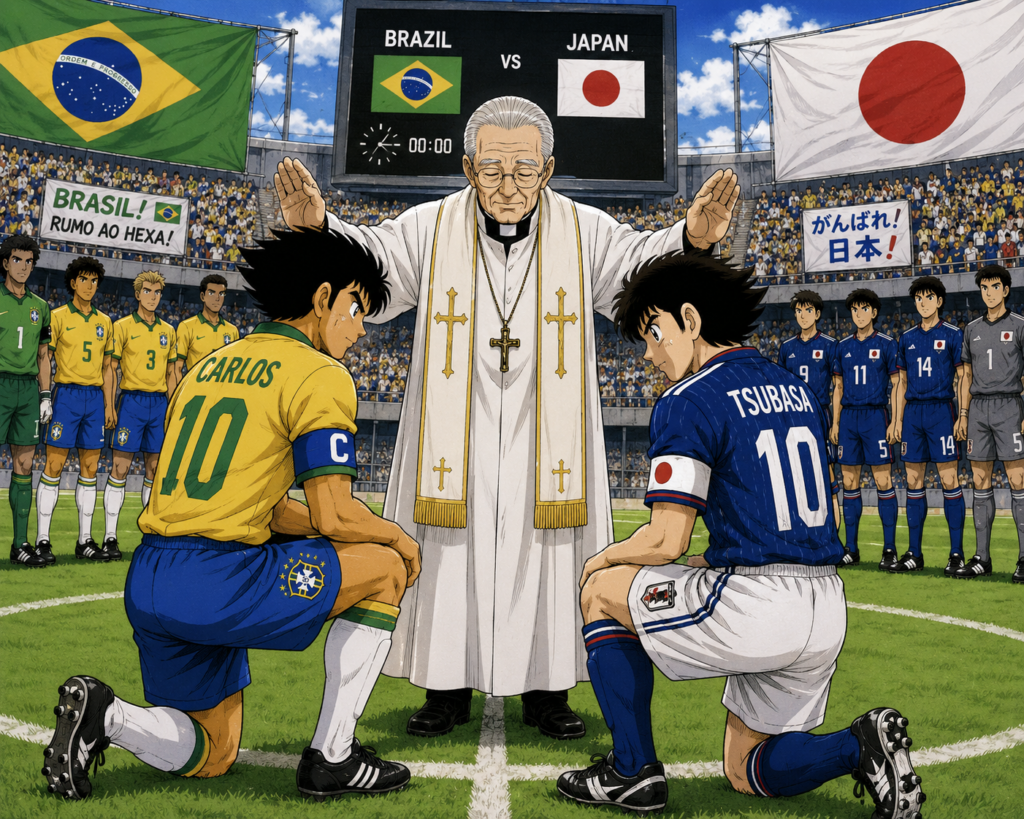
Brazil is a country of immense diversity and is home to a significant community of Japanese descent. Interestingly, over the years several players from this community have returned to Japan to play in the domestic league, although the current Japanese national team does not at present include any players born in Brazil.
In 1923, the Catholic Church in Japan sent Father Domingos Chohachi Nakamura to Brazil to minister to the small Japanese Catholic community there. Father Domingos was tireless in his efforts. Not only did he minister to Catholics, but he also established new communities, baptising thousands of people. For this reason, and also due to mixed marriages and inculturation, around 60 per cent of the Japanese community in Brazil is Catholic today.
He died in 1940, with a reputation for holiness, and his canonisation process is underway; he is already considered a Servant of God.
No doubt his heart will be torn today during the match between Brazil and Japan.
34. The Servant of God who links Cape Verde to Argentina
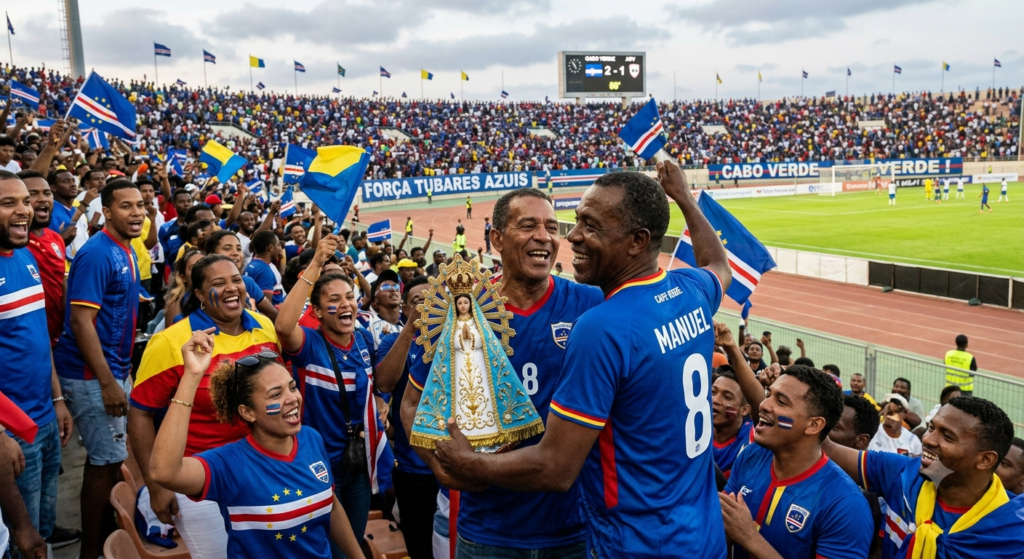
This will be the only post this weekend, as it links Cape Verde, who are playing tonight, and Argentina, who are playing on Sunday evening. It concerns the Servant of God Manuel Costa de los Ríos, also known as Black Manuel or Manuel the Slave.
Manuel was born on the west coast of Africa and was sold into slavery. Taken to Cape Verde, he was baptised there, but was eventually taken to Argentina.
In Argentina, God willed that Manuel should become the guardian of the image of Our Lady of Luján, the patron saint of Argentina, which, as we have already seen, is one of the titles of Our Lady of the Immaculate Conception.
Manuel Costa de Los Ríos’ canonisation process is underway, and there is talk of the possibility of him becoming the patron saint of the Cape Verdean diaspora. May he and Our Lady of Luján watch over the Blue Sharks tonight, as Argentina has less of divine help in this round.
33. Iraq’s new martyrs
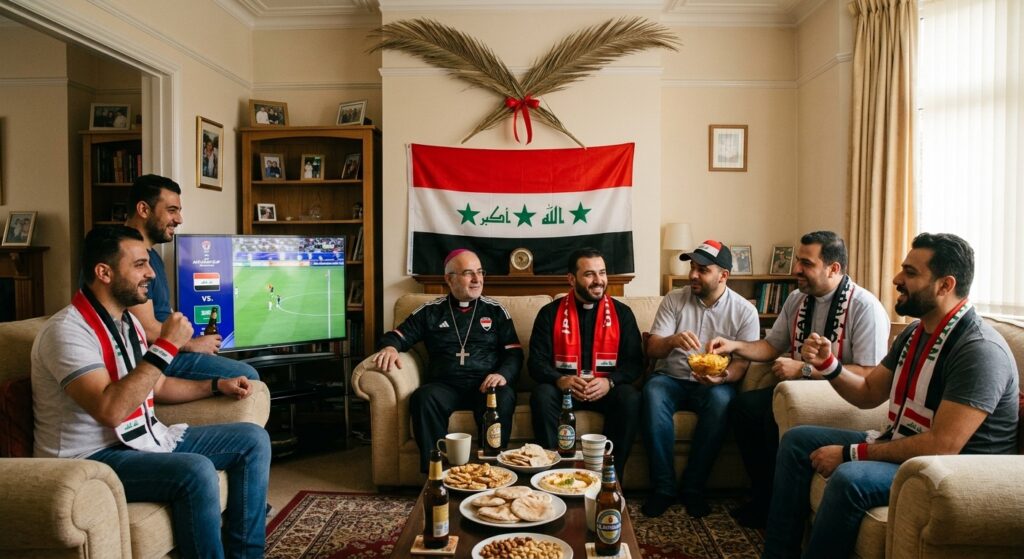
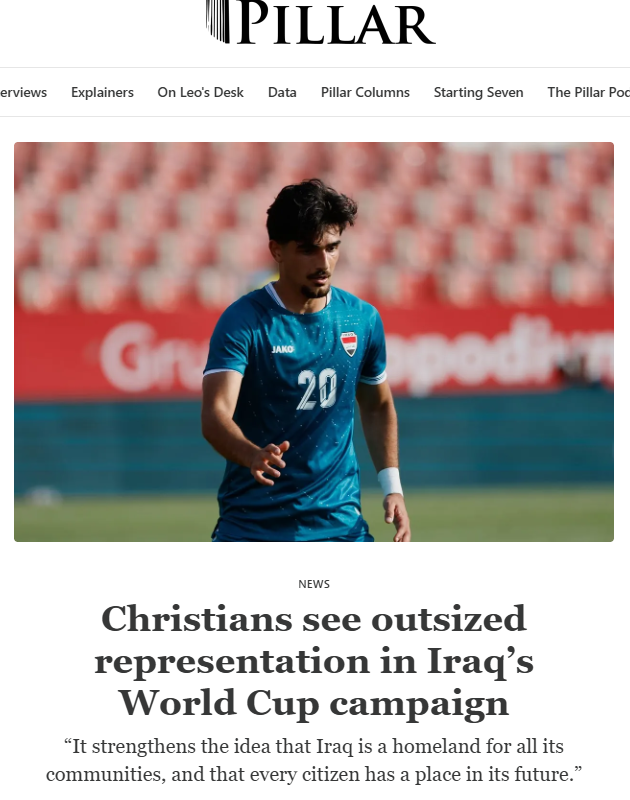
In case you hadn’t noticed, I’ve taken a particular liking to the Iraqi national team in this World Cup, because of the team’s composition, which includes players from different ethnic groups and religions, including Christians.
Unfortunately, Iraq seems destined not to progress beyond the group stage, so today I have chosen to speak of these seven men who are not yet saints, but are martyrs and should therefore soon be raised to the altars.
Father Ragheed Ganni was parish priest of Mosul and defied the orders of jihadists to close his church. One day, as he was leaving the church with three deacons, they were stopped. The jihadists asked why he had not closed the church, and he replied: “How can I close the house of God?” He and the deacons Basman Yousef Daud, Wahid Hanna Isho and Gassan Isam Bidawid were killed immediately.
The Archbishop of Mosul, Paulos Faraj Rahho, was abducted. From the boot of his car, he managed to telephone a parishioner to forbid anyone from paying a ransom for his release. He was found some time later, dead.
Fathers Thaer Abdal and Waseem Sabih were in the Syriac Catholic Church in Baghdad when it was attacked by jihadists. Forty-eight people died in that attack. The beatification processes for the 46 laypeople and the two priests are currently underway.
32. Servant of God and President
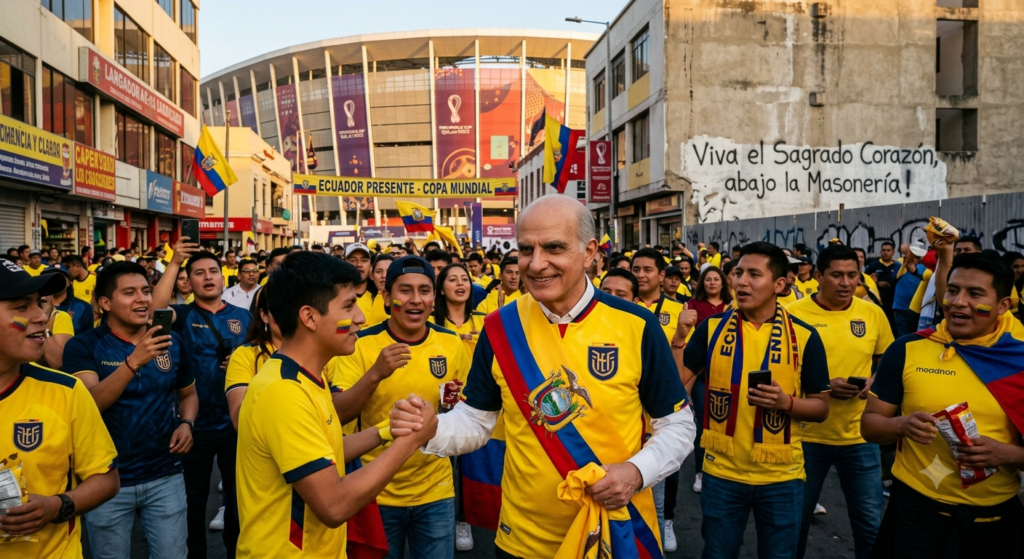
Gabriel García Moreno was President of Ecuador in the 19th century. He was a controversial figure, hated by the liberals, but he had a deep faith and saw his mission as one of service to the Church. In 1874, Ecuador became the first country in the world to consecrate itself to the Sacred Heart of Jesus, in a ceremony attended by the President and the Archbishop.
Contemporary accounts speak of a fierce rivalry with Freemasonry, which was blamed for his assassination on 6 August 1875. His last words were “God does not die!”
He was declared a Servant of God, but his cause for beatification made no further progress after the Second Vatican Council, mainly because it was felt that the political climate was not suitable.
When he was elected to his second term, he wrote to the Pope asking for his blessing and showed himself to be aware of the risks he was running, saying that Freemasonry wanted him dead and that it was being instigated in this regard by Germany. Ecuador are playing Germany today and need a victory – perhaps a miracle – to secure their place in the next round.
31. The Pearl and the Apostle of Scotland
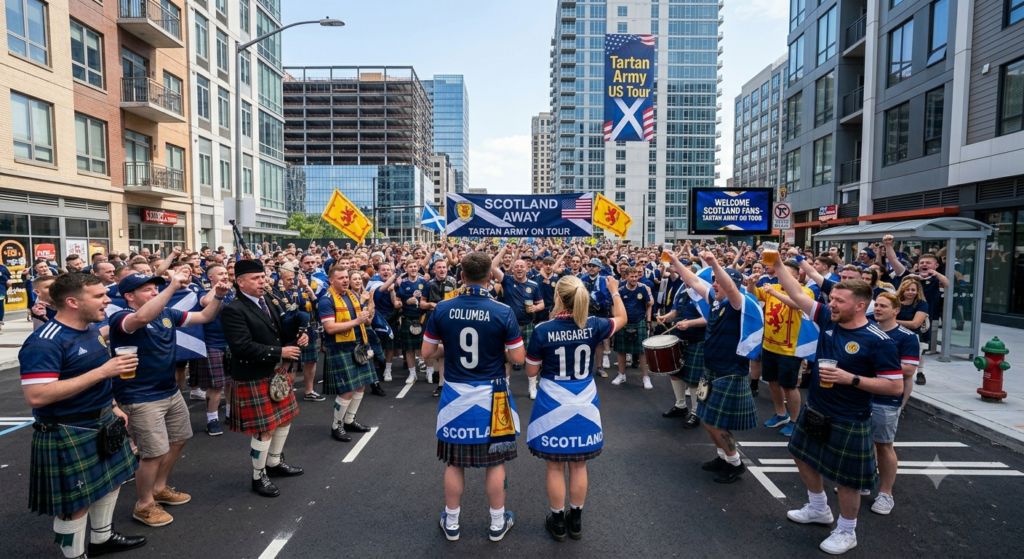
Scotland play Brazil today. With both needing a win – Brazil to secure qualification and top spot in the group, and Scotland to make it through to the knockout stages – it could be a good match.
The Scots ‘Tartan Army’ have provided some hilarious moments in this tournament but, above all, they have won over the hearts of their hosts. Today, however, that story may come to an end.
So I wanted to take this opportunity to talk about two of Scotland’s lesser-known patron saints. Saint Margaret (11th century) was an Anglo-Saxon princess, born in Hungary, who became Queen of Scotland. Deeply devout, she helped to shape the life of the Church in Scotland and had a positive influence on her husband, the King, by reading biblical stories to him. She is known as the ‘Pearl of Scotland’.
Then there is Saint Columba, a missionary of Irish origin who is known as the ‘Apostle of Scotland’ for his role in evangelising the pagan tribes of what is now Scotland in the 6th century.
Even with this strong backing, we’ll see whether Scotland can hold its own against a perennial title contender.
30. The Angel of Portugal
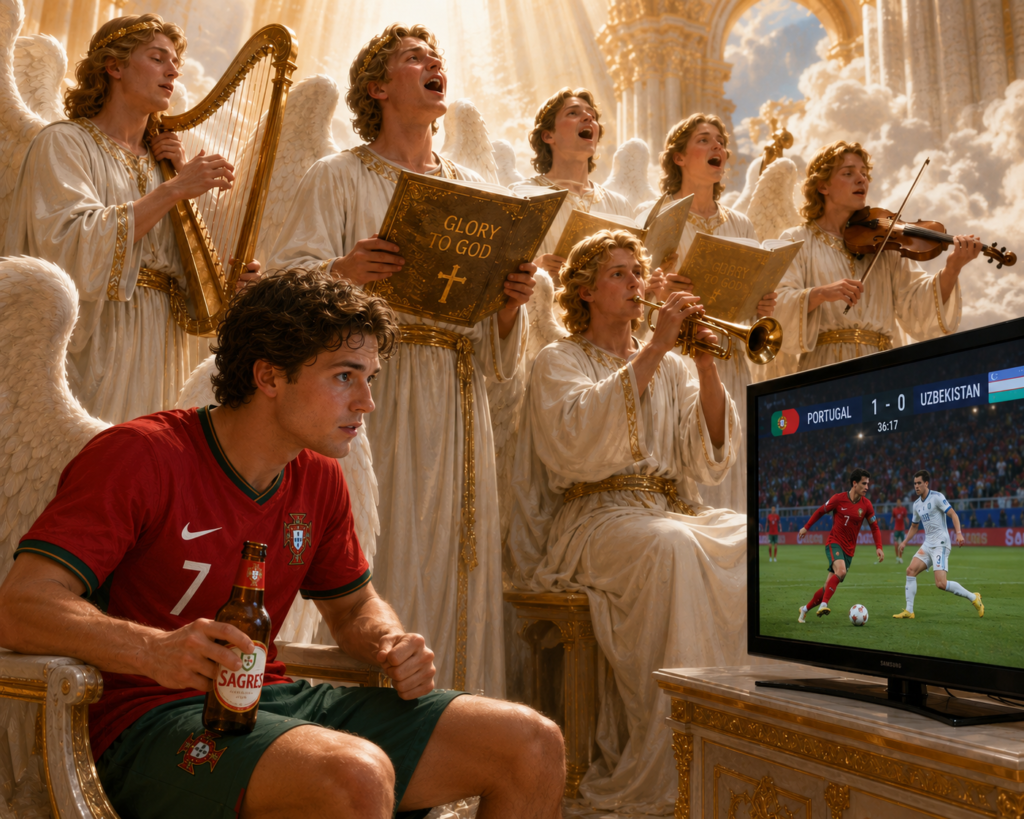
Before Our Lady appeared to the shepherds at Fátima in 1917, she was preceded by a figure who introduced himself as the Angel of Peace and the Angel of Portugal. The idea that Portugal has a guardian angel, who is also its patron saint, is not new. In the 16th century, King Manuel asked the Pope to establish a feast day dedicated to the Guardian Angel of Portugal, and Julius II agreed. The feast day was included in the liturgical calendar in 1952 on 10 June, Portugal Day.
The Angel of Portugal is therefore one of the country’s patron saints, alongside Our Lady of the Immaculate Conception and Saint George.
We often read that Portugal is the only country to have an angel as its patron saint, but this is not true. St Michael is the patron saint of Ukraine and of the German people (which, granted, is slightly different from being the patron saint of Germany) and St Raphael is the patron saint of the Brazilian people (ditto).
Following the disappointing draw with DR Congo, will the Angel of Portugal watch over the team today against Uzbekistan?
29. The Seven Martyrs of Tibhirine
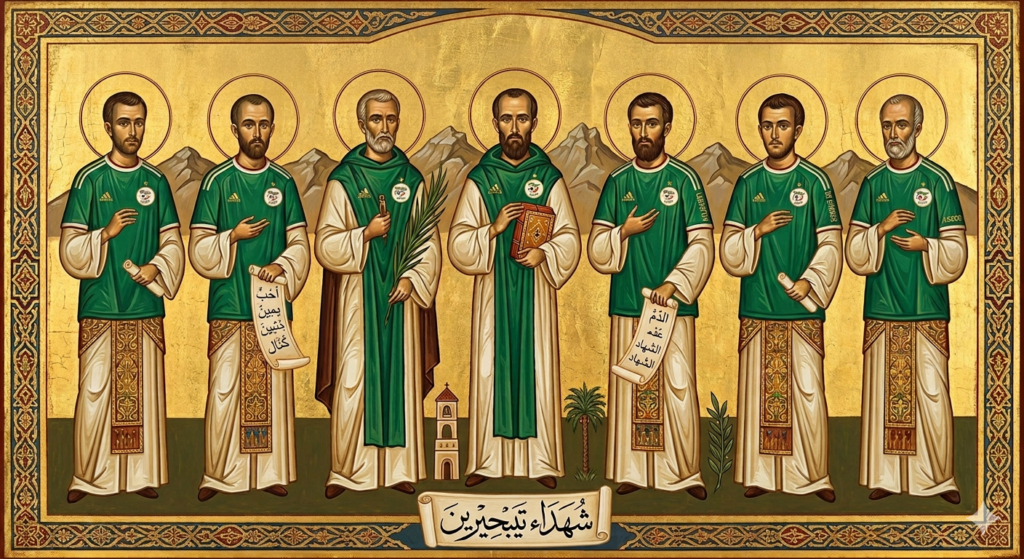
Today sees the first match between two predominantly Muslim nations in this World Cup. During the first round of the tournament Muslim countries secured just one victory – for the Ivory Coast – although they also recorded some creditable draws. The situation has improved, however, with victories for Egypt and Morocco. Later this evening, four more teams from Muslim countries will be in action: Iraq will face a very tough test against France, as will Senegal against Norway, whilst later on Algeria will take on Jordan.
It is therefore a fitting day to speak of the Martyrs of Tibhirine, a group of French Trappist monks who were kidnapped and subsequently murdered in Algeria, allegedly by Islamic fundamentalists.
Despite this, they remain inextricably linked to dialogue with Islam and to the deep love they had for the Muslim people they served, to the extent that they chose to remain in Tibhirine despite being aware of the risks. They loved Algeria and the Algerian people, and would certainly be delighted to see Algeria in the World Cup.
As for Jordan, special mention must be made of the two Christian players in this squad, including captain Ihsan Haddad and forward Odeh Al-Fakhouri.
28. A host of saints in Cape Verde

We have already mentioned Cape Verde’s official patron saint, Our Lady of the Assumption. But the archipelago actually has a small host of saints to look up to.
Cape Verde has ten islands, one of which is uninhabited.
Of the ten, five are named after saints: Santiago (Saint James the Great), Santo Antão (Saint Anthony the Greath), São Nicolau (Saint Nicholas), Santa Luzia (Saint Lucia) and São Vicente (Saint Vincent). The island of Fogo was originally called São Filipe (Saint Phillip), Boa Vista was São Cristóvão (Saint Christopher) and Ilha Brava was São João (Saint John). There is also the islet of Santa Maria (Saint Mary).
All of them, except Santiago and the islet of Santa Maria, were named after the saints in the liturgical calendar corresponding to the day on which they were first sighted.
The Cape Verdean players therefore have a whole host of saints watching over them. Let’s see how their match against Uruguay goes tonight.
27. Will Japan have the Samurai spirit?
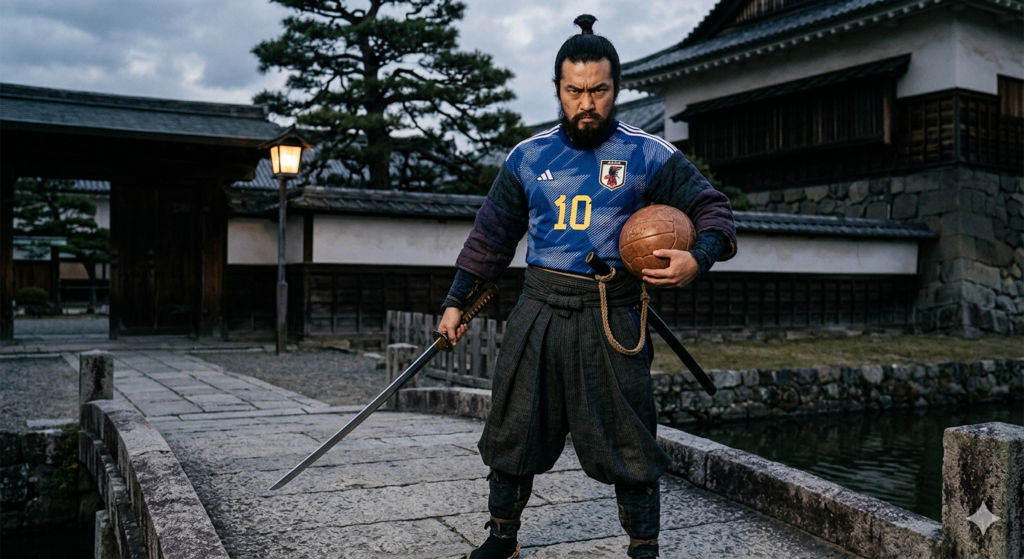
Last week I spoke about Saint Paul Miki, a Japanese convert and martyr. But today I’m going to talk about another Japanese man, who isn’t yet a saint, but is a Venerable, and even cooler than that – he’s a samurai.
Yes, Justo Takayama was a Japanese aristocrat, at a time when many Japanese, including some of the high nobility, converted to Catholicism. He was baptised at the age of 12 but later drifted away from the faith, focusing more on gaining a name and fame as a samurai warrior, until, at the age of 20, he decided to commit himself more fully to Christ.
He continued to serve his lord as a soldier, but when a new campaign against the Church began, and all the samurai were ordered to renounce their faith, Justo Takayama was one of the few who refused.
As a result, he lost everything: his title, his wealth, his status and even his homeland. He was exiled to the Philippines, where he was received with honours by the Spanish. But he refused to accept a pension and ended up dying in poverty less than two months later.
Justo – his baptismal name – was beatified by Pope Francis and his canonisation process is currently underway. Will he intercede so that Japan beats Tunisia? We shall see.
26. The great Marian derby: the Immaculate Conception v. the Assumption
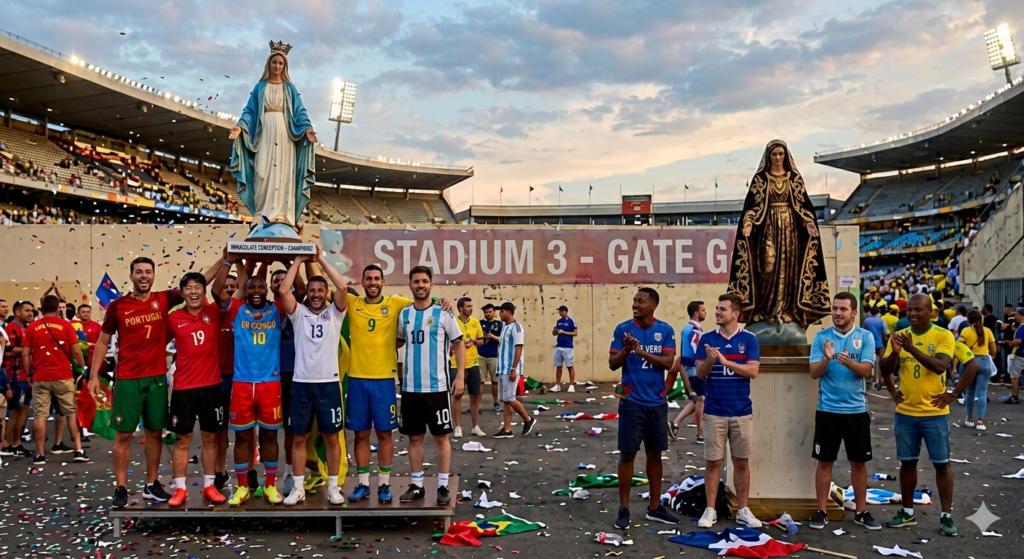
As I wrote articles on each country’s patron saint, it became clear that the most popular are Our Lady of the Immaculate Conception and Our Lady of the Assumption. In some cases, they are not the country’s sole patron saint, so I chose another from among the existing ones to avoid repetition; however, a total of 10 countries participating in the World Cup have one of these invocations of Our Lady as their patron saint.
And who wins the popularity title? That goes to Our Lady of the Immaculate Conception, with six countries – Portugal, USA, DR Congo, Argentina, Brazil and South Korea – compared to ‘just’ four for Our Lady of the Assumption: France, Cape Verde, South Africa and Uruguay.
Contrary to what many people think, devotion to Our Lady of the Immaculate Conception has nothing to do with the virgin birth of Jesus. The conception referred to in the name is that of Our Lady herself, who, according to Catholic belief, was conceived without original sin. This is the meaning of the miracle – the preservation from original sin – which enabled Mary to respond freely when God asked her if she would be the mother of the Messiah.
The Assumption, on the other hand, relates to the fact that she was taken up into Heaven, body and soul, and was not subject to the corruption of death.
We therefore have one invocation concerning the beginning of Mary’s life and another concerning its end. But the two concepts are closely linked, for theologically it is the fact that Our Lady was free from original sin that prevents her from dying, since traditionally natural death is a consequence of sin.
Obviously these are different invocations of the same person, who was the mother of Jesus.
25. Saint Andrew Kim Taegon – South Korea
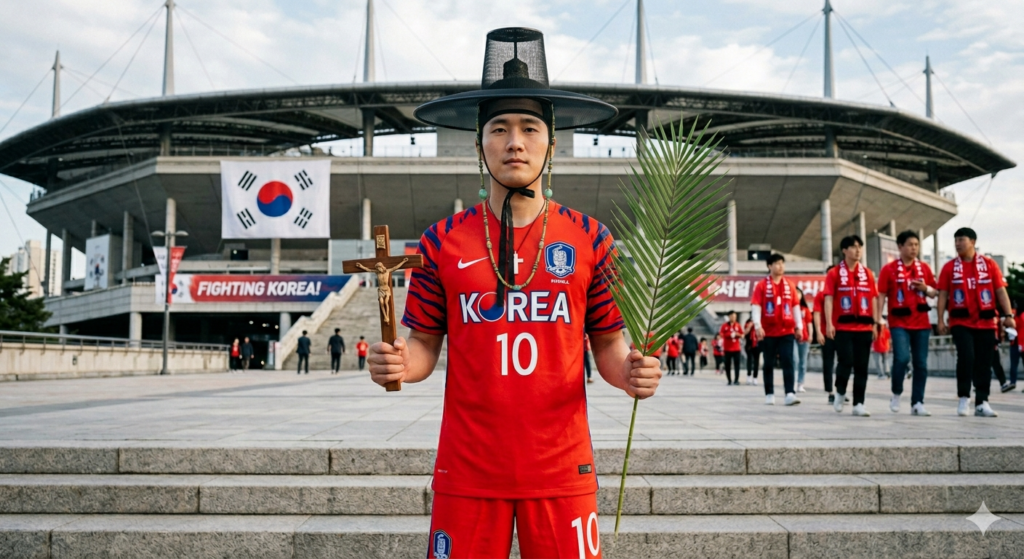
Now that we’ve highlighted a patron saint for each team taking part in the World Cup, I’m going to stop posting about every match and instead make just one or two posts a day, delving deeper into some interesting facts.
Today I’m going to focus on South Korea, as it is the only team with a predominantly non-Abrahamic population to have won a match so far in the World Cup (the only other is Japan).
South Korea’s principal patron saint, as we saw last week, is Our Lady of the Immaculate Conception, but to avoid repetition we have opted for Saint Andrew Kim Taegon, the first Korean priest.
Korea has a unique history within Christianity. It was not converted through foreign missionary work, but rather by Korean intellectuals who discovered books on Christianity translated into Chinese and, upon reading them, converted.
Saint Andrew Kim was ordained at a time when the Church was heavily persecuted in the country, but he was already a second-generation Catholic, although his grandparents eventually converted as well. He was baptised at the age of 15 and attended seminary in Macao. On his return to Korea, he was captured, tortured and executed at the age of 25.
Today, Korea is one of the Asian countries with the highest proportion of Christians and will host World Youth Day in 2027.
24. Sacred Heart of Jesus (Uzbekistan) v. Our Lady of the Rosary of Chiquinquira (Colombia)
Uzbekistan is arguably the World Cup participating nation with the least Christian heritage and connection to Christianity. The population is overwhelmingly Muslim, with very small Christian communities, the majority of whom are Orthodox. Although there had been a significant Christian presence for centuries, this had completely disappeared by around the 15th century. Furthermore, the country suffered under Communist oppression during the Soviet era and today ranks among the participating nations with a negative religious freedom index. The main Catholic cathedral in the capital, Tashkent, is dedicated to the Sacred Heart of Jesus.
The patron saint of Colombia is Our Lady of the Rosary of Chiquinquira. Her story begins with the commission of an image of Our Lady of the Rosary, which was painted by a Spanish artist on fabric woven by indigenous people. The image was placed in a damp chapel and became unrecognisably damaged. Years later, a devout Catholic woman placed it in a chapel and, according to tradition, the image restored itself, coming to be regarded as miraculous.
23. Saint Matthew Ayariga (Ghana) v. Saint Mary Antigua (Panama)
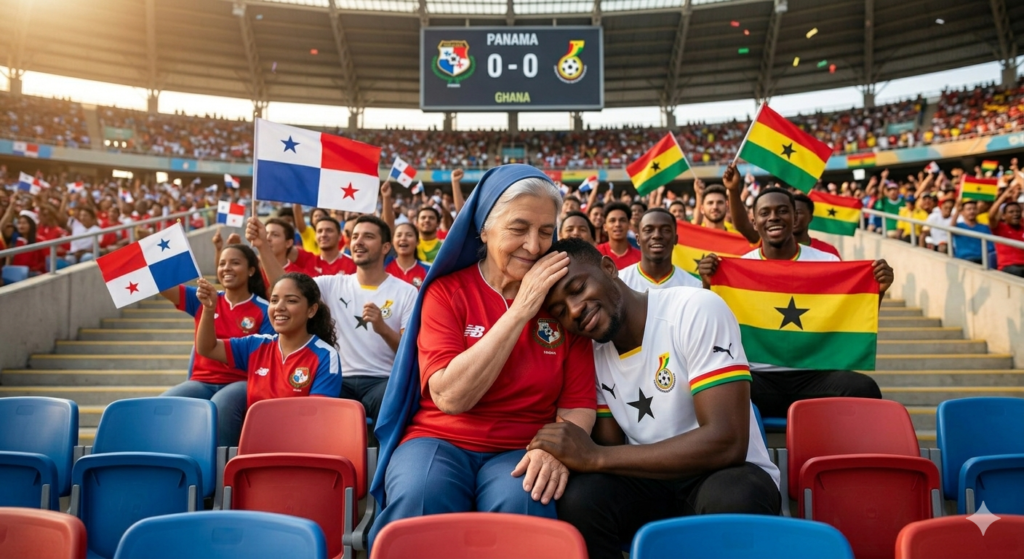
Ghana does not have an official patron saint, so I have chosen the only Ghanaian saint officially recognised by the Church. Matthew Ayariga was kidnapped by jihadists, along with 20 Coptic Christians from Egypt. Realising that he was not Coptic, the jihadists gave him the opportunity to convert to Islam and thus save his life, but he replied: “Their God is my God”, and was martyred alongside them.
The Coptic Church canonised the 21 martyrs of Libya collectively and holds the memory and witness of Matthew Ayariga in high esteem. In 2023, the Catholic Church also officially recognised the canonisation.
Devotion to Saint Mary of Antigua began in Seville in the 14th century, with an image that was discovered in the cathedral, in a good state of preservation despite its great age, hence the name. When the Spanish arrived in what is now Panama, they brought this devotion with them and founded Santa María la Antigua del Darién, which would go on to become the first diocese on the American continent.
22. St George (England) v St Joseph (Croatia)
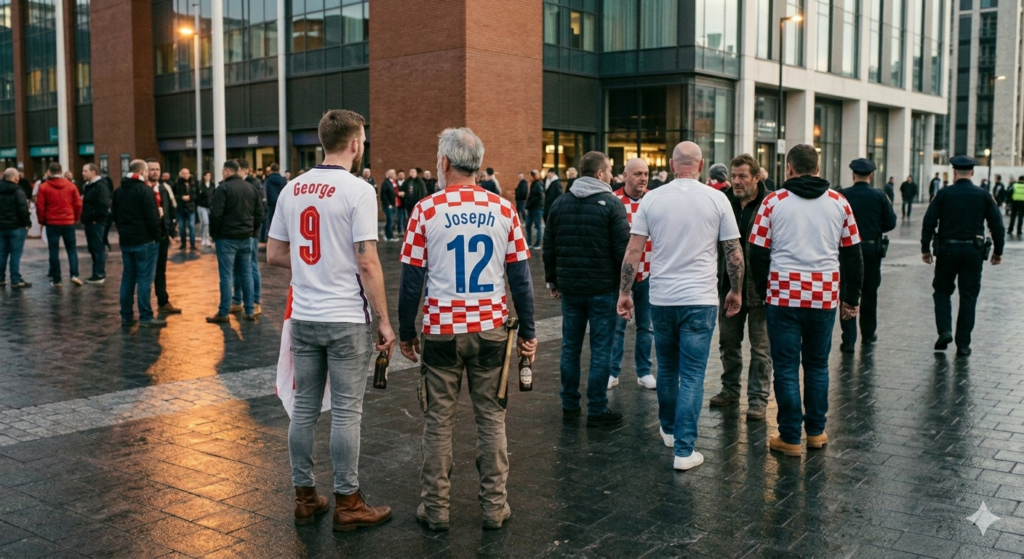
St George is one of the most popular patron saints in the world, although in this World Cup he is represented only by England and Portugal, as far as I can tell. But few countries show as much devotion to St George as England.
St Joseph, who has also appeared here wearing a Canada shirt, was declared the patron saint of Croatia in the 17th century by a parliamentary resolution.
21. Our Lady of the Immaculate Conception (Portugal) v. Our Lady of the Immaculate Conception (DR Congo)
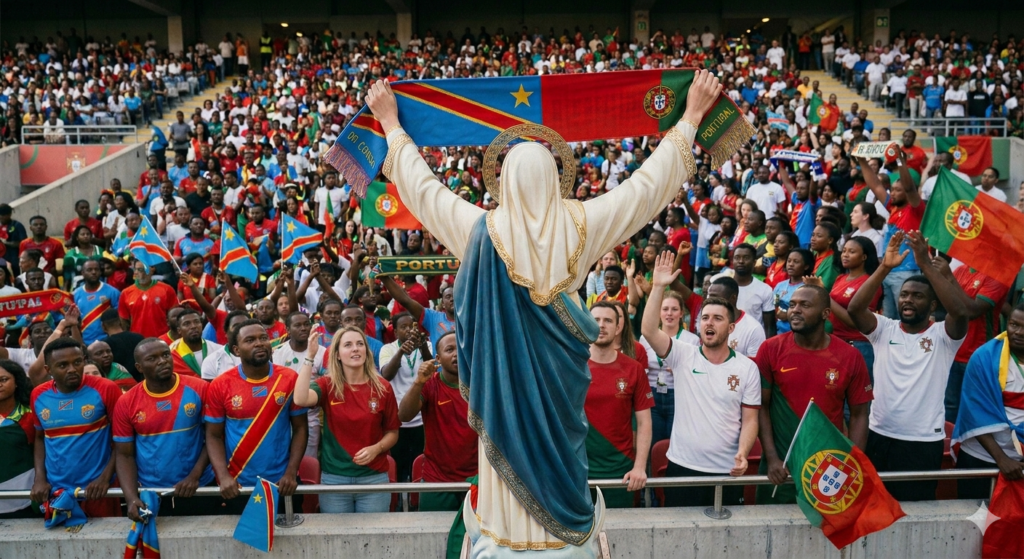
I considered using St George for Portugal, but I simply couldn’t. You’ll see why.
Although Portugal was consecrated to Our Lady of the Immaculate Conception in 1646, the devotion was already well established amongst the population. And this was several centuries before the official proclamation of the dogma of the Immaculate Conception, which did not take place until 1854.
One of the greatest examples of this devotion is the Church of Our Lady of the Immaculate Conception, built in the 16th century. Where? In Mbanza Kongo, the capital of the Kingdom of Kongo, to which the Portuguese had already brought the Catholic faith in the 15th century.
As you can see, Congolese devotion to Our Lady of the Immaculate Conception is due to the Portuguese, yet it predates her official proclamation as Queen of Portugal. And that is why, despite my hatred for half-and-half scarves, I am making this concession, because I believe that Our Lady’s love is divided between these two teams. Fortunately, she has a lot of love to give!
20. Saint Leopold III (Belgium) v. John the Baptist (Jordan)
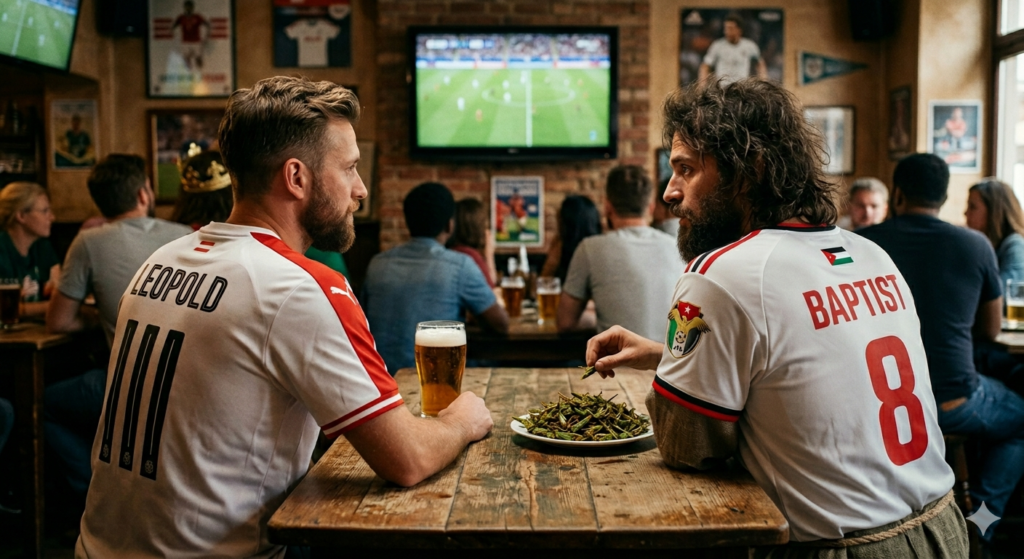
Leopold was the Margrave of Austria and lived in the 11th century. He played an important role in the development of the Church in the country, founding several monasteries, and was known as ‘Leopold the Good’.
John the Baptist needs no introduction. As Jesus’ cousin, he preceded him and heralded his coming, baptising people in the River Jordan, so it makes perfect sense that he should be the patron saint of Jordan. Jordan is now predominantly Muslim, but has a significant Christian community, including two members of the national team.
19. Our Lady of Luján (Argentina) v. Our Lady of Africa (Algeria)
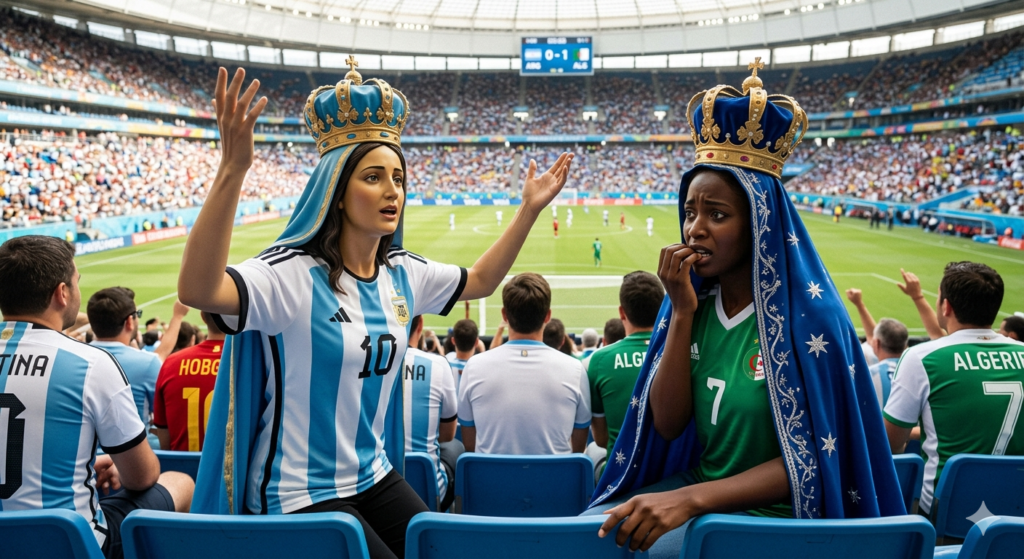
Anyone who has been following these posts will have noticed that there is a clear contest for popularity between Our Lady of the Assumption and Our Lady of the Immaculate Conception. I’ll write about this another time, but today we have another one for OLIC.
It seems that a carriage was travelling along the banks of the River Luján when the oxen simply stopped and refused to move until a small statue of OL of the Immaculate Conception had been unloaded. From this grew a basilica and a devotion that became a national phenomenon in Argentina.
Our Lady of Africa, meanwhile, is the patron saint of Algeria, where she lends her name to the main cathedral in Algiers, recently visited by the Pope. The devotion originated from an image produced in France. A second image was commissioned by the Bishop of Algiers in 1840, and from then on, its popularity amongst the small Catholic community in Algeria grew.
Algeria has very few Christians, but an immense Christian heritage. Football-wise, we can say that Our Lady of Africa has her work cut out for her today!
18. Saint Thomas (Iraq) v. Saint King Olaf (Norway)

Iraq does not have an official patron saint, but the unofficial one could be considered Saint Thomas the Apostle, who is said to have brought the Christian faith to those parts. Iraq has a long Christian tradition and had a significant Christian minority until 2003, when an exodus began that reduced the population to less than 1%. Even so, the national team has four Christian players, which is very significant.
Norway’s patron saint is King Olav, who lived in the 11th century and, having converted to Christianity, helped spread the faith throughout the Nordic countries. He was canonised a year after his death by the local bishop, and his sainthood was confirmed by the Pope in 1164. He is known as the “Perpetual King of Norway”.
17. Saint Joan of Arc (France) v. Our Lady of Victories (Senegal)
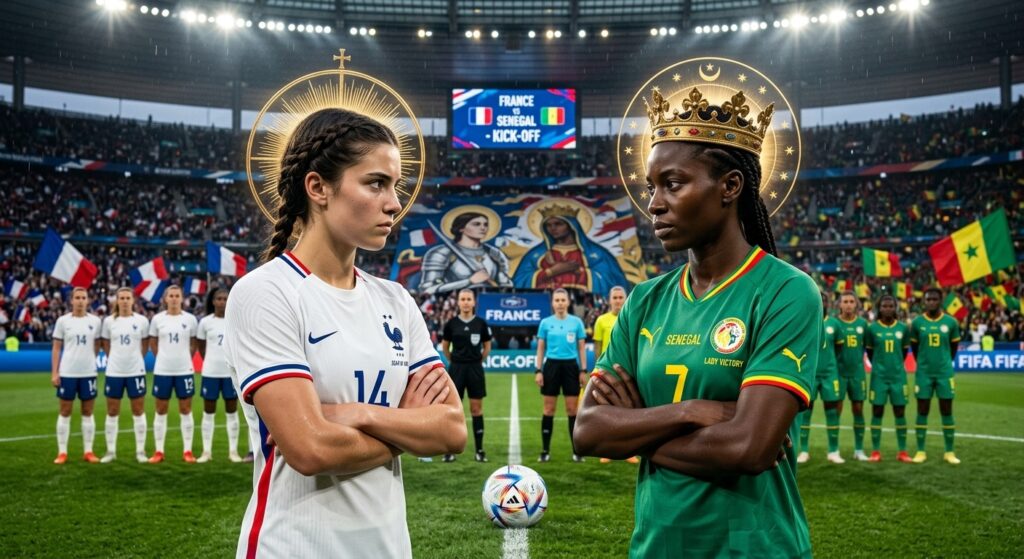
It appears the principal patron saint of France is also Our Lady of the Assumption. That brings the total to four, alongside Cape Verde, Uruguay and South Africa, and she is vying for the title of most popular Patron Saint in this World Cup with Our Lady of the Immaculate Conception.
However, Saint Joan of Arc is considered a secondary patron saint of France, so I opted for her. Her story is well known; she was an important military leader – against all the social customs of the time – and deeply devoted to God.
Whilst France has many patron saints, Senegal, a predominantly Muslim country, has no official one, but there is great devotion among local Catholics to Our Lady of Victory, which seems to me very appropriate for a World Cup.
With two saints accustomed to victory, this looks like it could be a great match.
16. St Marutha (Iran) v. St Peter Chanel (New Zealand)
Now here are two saints you don’t hear about every day!
St Marutha lived in the 4th and 5th centuries, in the Persian Empire. He was a bishop and played a major role in establishing the Church in that region, despite severe persecution. At one point, he collected so many relics of victims of the persecutions that his city came to be called Martyropolis. He died around 420.
Saint Peter Chanel was born in France some 1,400 years after Saint Maruta’s death. He went as a missionary to Oceania, more specifically to the island of Futuna. He earned the epithet ‘the man with the kind heart’ and managed to convert the son of a tribal chief. The chief was not pleased, and had him killed in 1841.
15. Our Lady of Arabia (Saudi Arabia) v. Our Lady of the 33 (Uruguay)
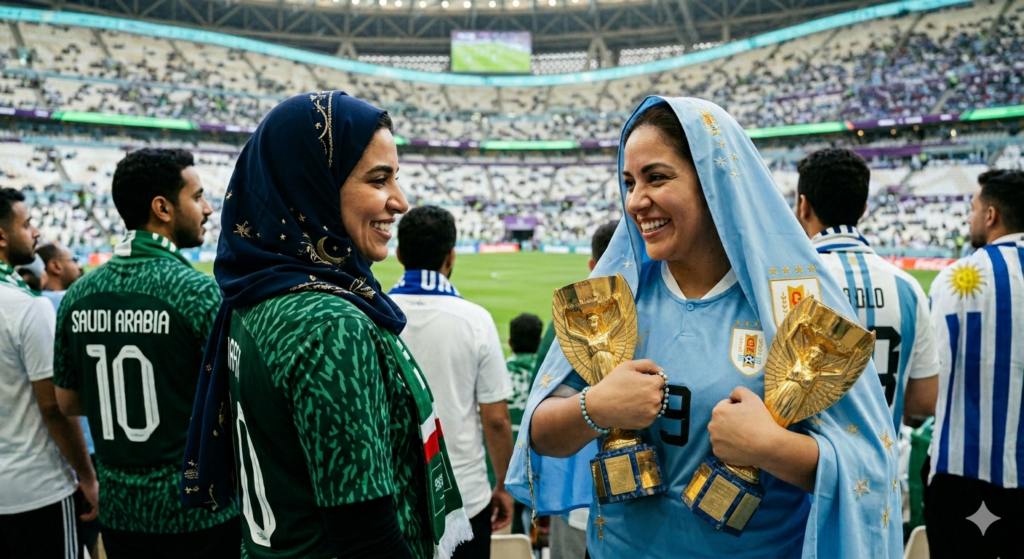
Saudi Arabia is, even more so than Iran, the World Cup participant where Christians enjoy the least freedom. The country’s patron saint is Our Lady of Arabia, based on an image of Our Lady of Mount Carmel.
Our Lady of the 33 is in fact an image of Our Lady of the Assumption (and that makes four competing countries with this patron saint… Cape Verde, South Africa, France and Uruguay). A group of thirty-three independence fighters prayed before the image for the success of their uprising, and the image became associated with the country’s liberation.
14. Saint Joseph (Belgium) v. Saint Mark (Egypt)
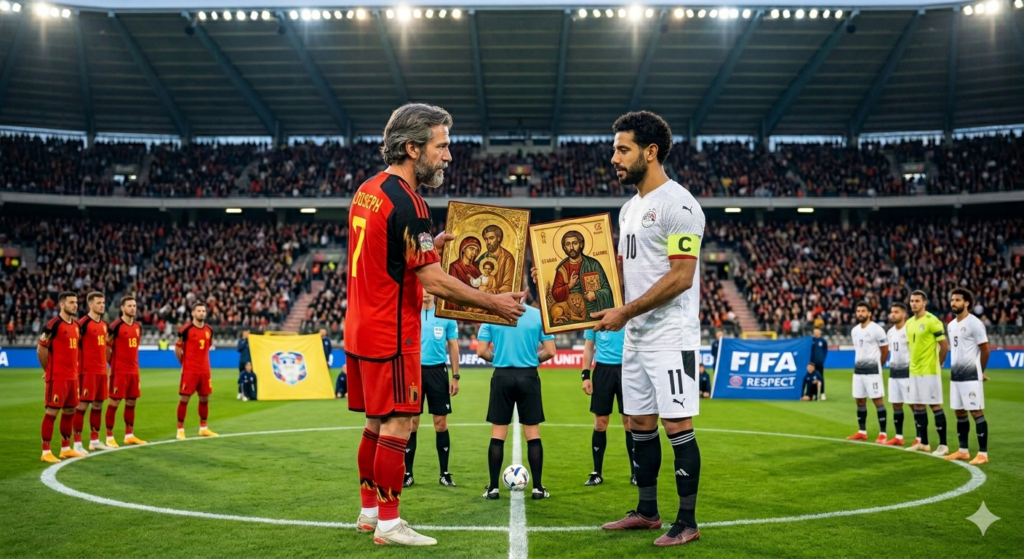
This is the second time Saint Joseph has been invoked, having previously appeared in Canada. Interestingly, he was named patron saint in the 17th century at the request of the Spanish, who ruled the territory at the time, but the devotion took hold and became deeply rooted.
Saint Mark was the first bishop of Alexandria and is closely linked to the entire history of Christianity in Egypt. Although the majority of Egyptians are Muslim, there is a significant minority, the Copts, who are Christians and have a deep devotion to Saint Mark.
13. Saint James de Great (Spain) v. Our Lady of the Assumption
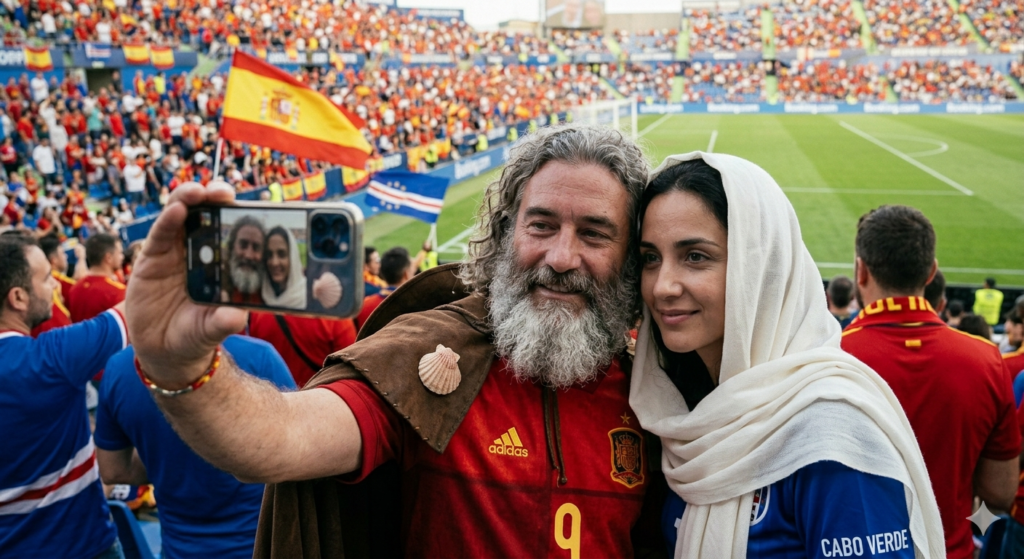
The importance of St James to Spain is well known, with the tradition that his remains lie in Compostela, in Galicia.
But St James is also important to the people of Cape Verde, as he is the patron saint of the Diocese of Santiago, one of only two dioceses in the archipelago.
However, the patron saint of Cape Verde is Our Lady of the Assumption, curiously the same as that of South Africa.
Santiago is clearly the favourite in this match, but let us hope that Our Lady can inspire our Cape Verdean brothers!
12. St Eric, King of Sweden (Sweden) v St Cyprian (Tunisia)
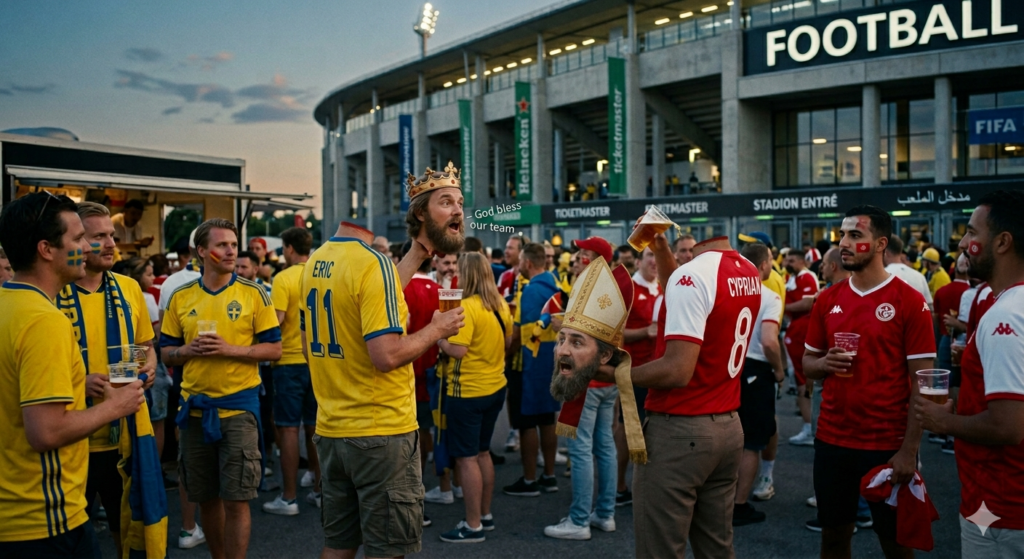
Although many believe it to be Saint Brigid, the official patron saint of Sweden is actually King Eric. He reigned in the 12th century and helped to spread and promote the Christian faith in Sweden, and also in Finland, according to tradition. He was martyred in 1160. He was attending Mass when a band of rebels arrived at the church. The King forced them to wait until the end of the service, then went out and was imprisoned and beheaded. Tradition has it that a spring sprang up from the spot where his head fell.
Tunisia does not strictly speaking have an official patron saint, but Saint Cyprian was the patron saint of the African province of the Roman Empire, which corresponds to present-day Tunisia, so it makes sense that it should be him. He was also beheaded, on the orders of Emperor Valerius.
We shouldn’t expect many header goals in this match… And yes, I realise that Cyprian is just pouring his beer over himself, but I almost broke the AI programme to make the image, so I let it be…
11. St Mariana de Jesus de Paredes (Ecuador) v. Our Lady of Peace (Ivory Coast)
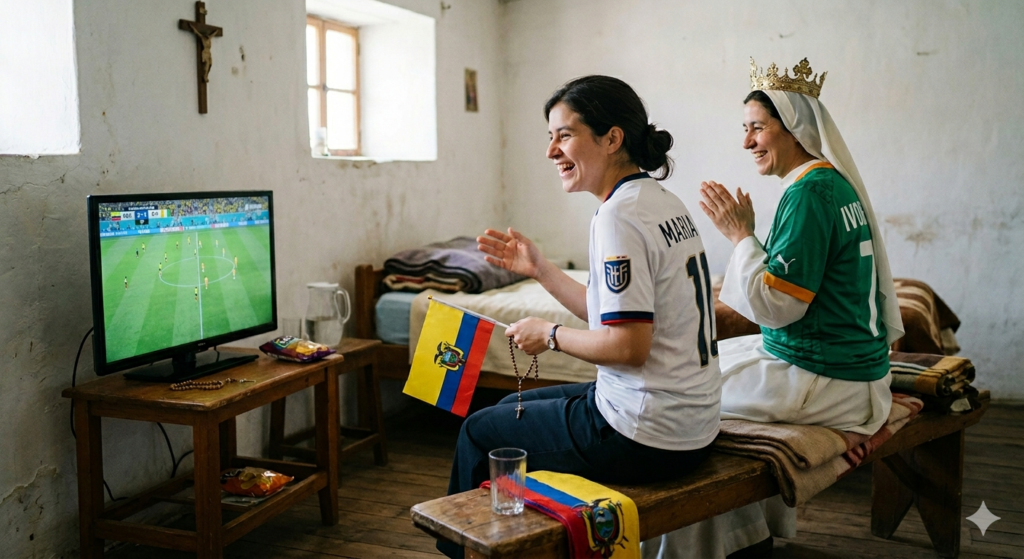
Mariana de Jesus de Paredes, known as the ‘Lily of Quito’, was a devout woman. When she was orphaned, she went to live with her elder sister and brother-in-law, but as she expressed a desire to pursue a spiritual life, she was allowed to live in seclusion within their home. She lived in the 17th century and was canonised in 1950.
Although there is no official patron saint, the greatest devotion amongst the Catholic minority in Ivory Coast is to Our Lady of Peace, because of the basilica named after her in Yamoussoukro.
10. Saint Willibrord (Netherlands) v. Saint Paul Miki (Japan)
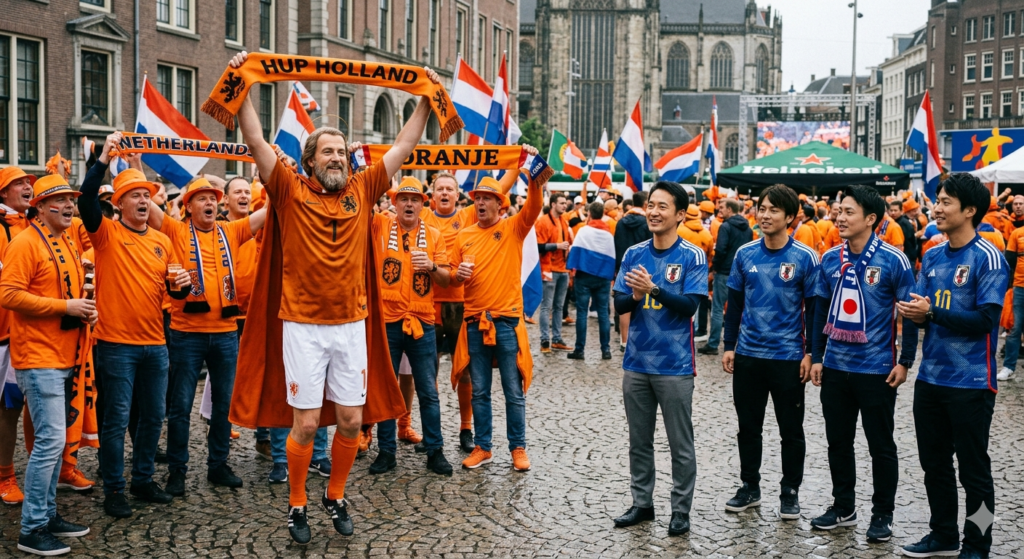
Due to the division between Calvinists and Catholics, the Netherlands does not have an official patron saint, but among Catholics the most widely recognised is Saint Willibrord, who evangelised the Frisians—in what is now the Netherlands—in the 7th and 8th centuries. He was assisted in his mission by Boniface, the patron saint of Germany.
Japan has more than one patron saint, but the only one who is actually Japanese is Saint Paul Miki, one of many Catholics who were martyred in the early days of the Church in that country.
The clash between these two saints is quite possibly the most interesting match of the first round of the World Cup group stage.
9. Saint Boniface (Germany) v. Saint Anne (Curaçao)
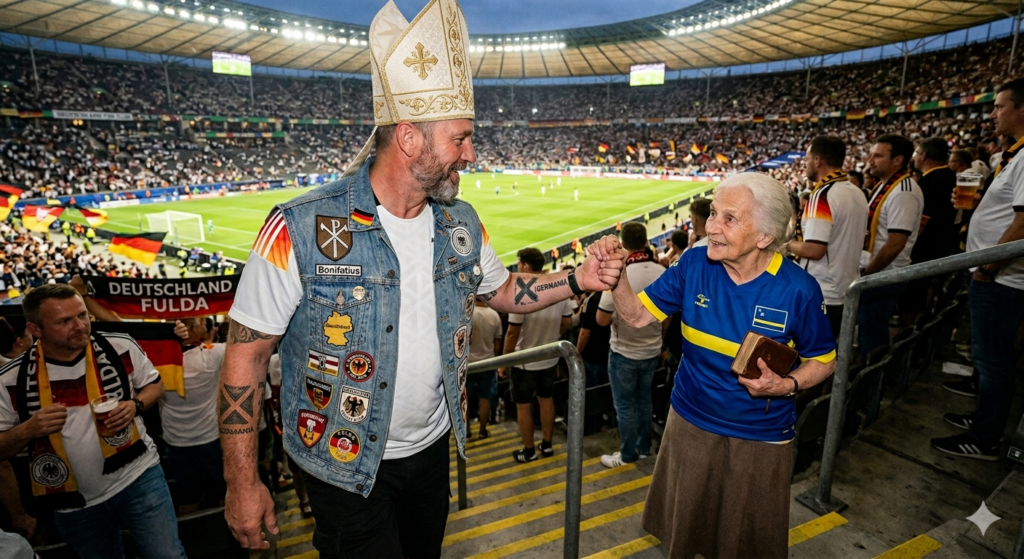
Saint Boniface was an English monk who evangelised what is now Germany in the 8th century. He became known as the ‘Apostle of the Germans’ and there is still great devotion to him in the region today.
Saint Anne was the grandmother of Jesus and the mother of the Virgin Mary. The first church in Curaçao was dedicated to her, and the devotion that grew around it helped to strengthen Catholicism at a time when the Dutch granted the Church little freedom.
If Curaçao manages to avoid defeat, they’ll have Saint Anne and her grandson to thank!
8. St Mary of the Cross McKillop (Australia) v. St Nicholas (Turkey)
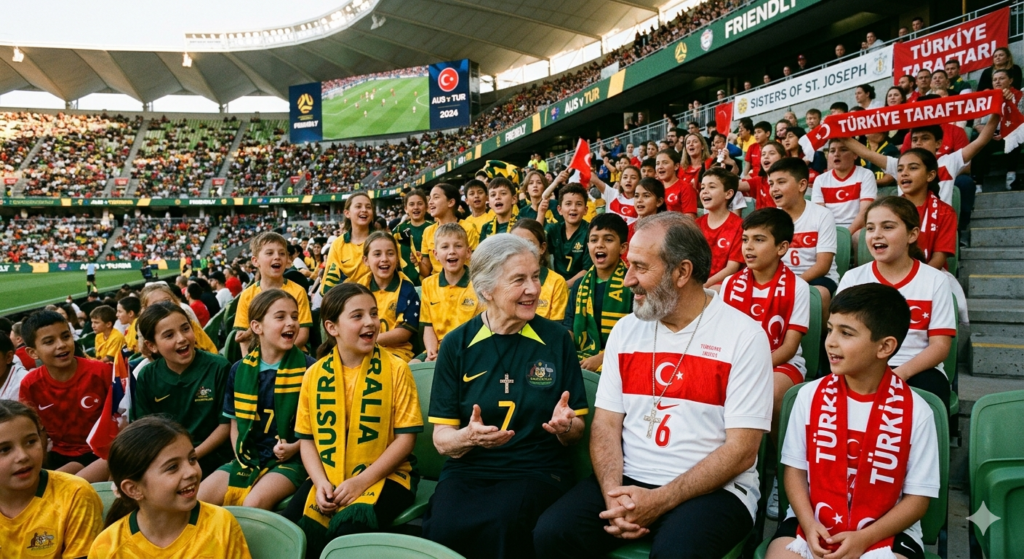
Saint Mary of the Cross McKillop is the co-patron saint of Australia, alongside Our Lady Help of Christians. McKillop was the first Australian to be canonised. She worked in education and was a fierce advocate for the children she served. She was even excommunicated for ‘insubordination’ when she reported an abusive priest, but was eventually vindicated by the bishop and the Vatican.
Saint Nicholas, the famous “Father Christmas”, was also known for the way he protected and cared for children, which makes these two patron saints an excellent pair!
7. Our Lady of the Perpetual Help (Haiti) v. Saint Andrew (Scotland)

St Andrew is Scotland’s greatest symbol. The Scottish flag bears an X-shaped St Andrew’s Cross, as the apostle was crucified in that manner.
Haiti has venerated Our Lady of Perpetual Help since 1882, when the people attributed the end of a pandemic to an image of Our Lady under this title. Haiti is going through a very difficult period of its history, and the country needs all the help it can get at the moment.
6. Our Lady of Aparecida (Brazil) v. Saint Charles de Foucauld (Morocco)
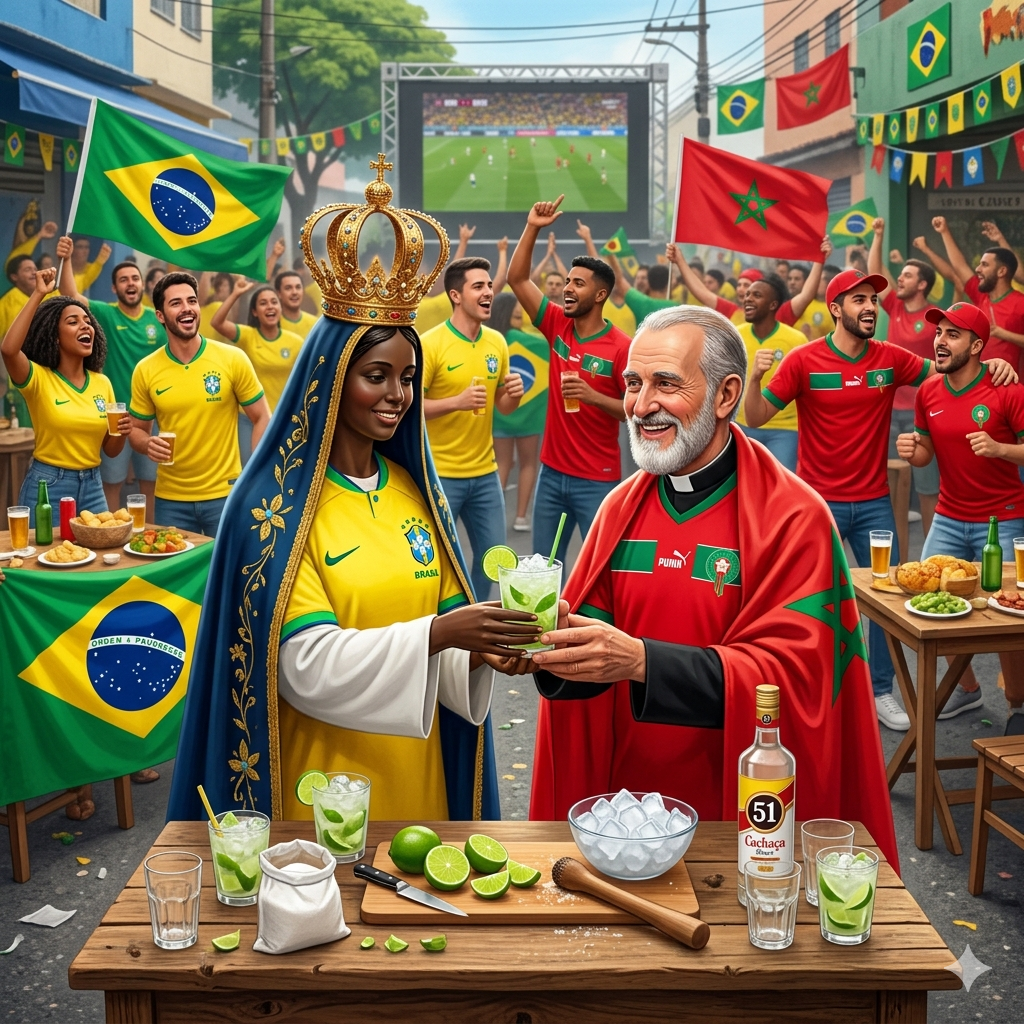
Our Lady of Aparecida is widely known, but it is only now that I have realised her full title is Our Lady of the Immaculate Conception of Aparecida, which makes Brazil one of five countries that have Our Lady of the Immaculate Conception as their patron saint, alongside the USA, South Korea, the Democratic Republic of the Congo and Portugal.
Morocco does not actually have an official patron saint, at least as far as I could find, so I took the liberty of invoking Saint Charles de Foucauld, a former French soldier who devoted himself body and soul to serving the people in the Moroccan desert, up to the point of giving his life.
5. Saint Isaac of Niniveh (Qatar) v. St Nicholas of Flue (Switzerland)

Today we have two rather unusual saints. Saint Nicholas of Flüe was a farmer, then a soldier; he later married and had ten children. But he never lost his desire to devote himself to God. With his family’s permission, he became a hermit and at one point spent 20 years living on the Eucharist alone. He was born in the 15th century in Switzerland and was named patron saint in 1947, when he was canonised. He is also the patron saint of the Swiss Guard.
Saint Isaac of Nineveh, or ‘the Syrian’, was a 7th-century bishop who was born in what is now Qatar. He was a great theologian and wrote several texts on the ascetic life. Today, Qatar’s Christian population consists almost exclusively of immigrants.
4. Our Lady of the Immaculate Conception (USA) v. St. Blaise (Paraguai)
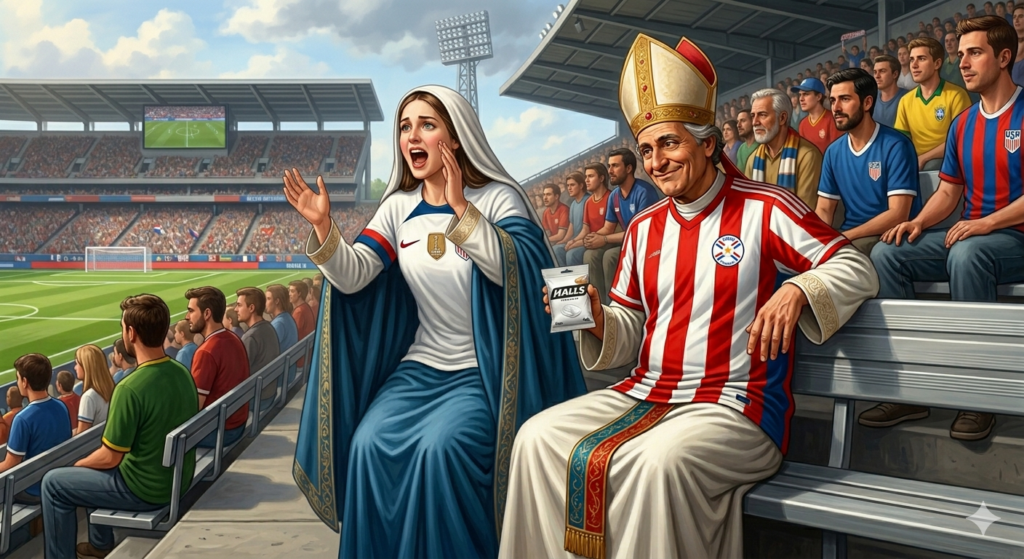
The United States is one of four participating countries that have Our Lady of the Immaculate Conception as their patron saint or co-patron saint. The others are, of course, Portugal, South Korea and the Democratic Republic of the Congo. This title of Our Lady was chosen by the American bishops in 1846 and confirmed the following year by Pius IX.
In Paraguay, the most popular saint is actually Our Lady of Caacupé, but the official patron saint is Saint Blaise, who is said to have protected the first Spanish settlers in a time of need. Saint Blaise, as is well known, is the patron saint of throat ailments, so who better to protect little Paraguay against the ever-vocal USA.
Our Lady is on home turf and, however much we like to make fun of them, the American team usually puts in a good performance at the World Cup.
3. Saint Joseph v. Elijah

Although there is a long-standing devotion to Saint Anne in Canada, the country’s patron saint is Saint Joseph, the father of Jesus. Devotion to Saint Joseph began among the first missionaries and was confirmed by Pope Gregory XVI in 1834.
Bosnia, meanwhile, has the only patron saint from the Old Testament in this World Cup. The reason for this choice is quite interesting, and has to do with the fact that Elijah is venerated by Catholics and Orthodox Christians alike, but also by Muslims. As is well known, although Bosnia includes Serbian Orthodox and Croatian Catholic communities, those who identify most strongly with the country and the national team are Muslims, even though the squad also includes Christians.
In this match, St Joseph’s are playing at home, but Canada have never won a World Cup match, so Elijah seems to have the edge in the predictions.
2. Saint Andrew Kim (South Korea) v. Saint Wenceslaus (Czech Republic)
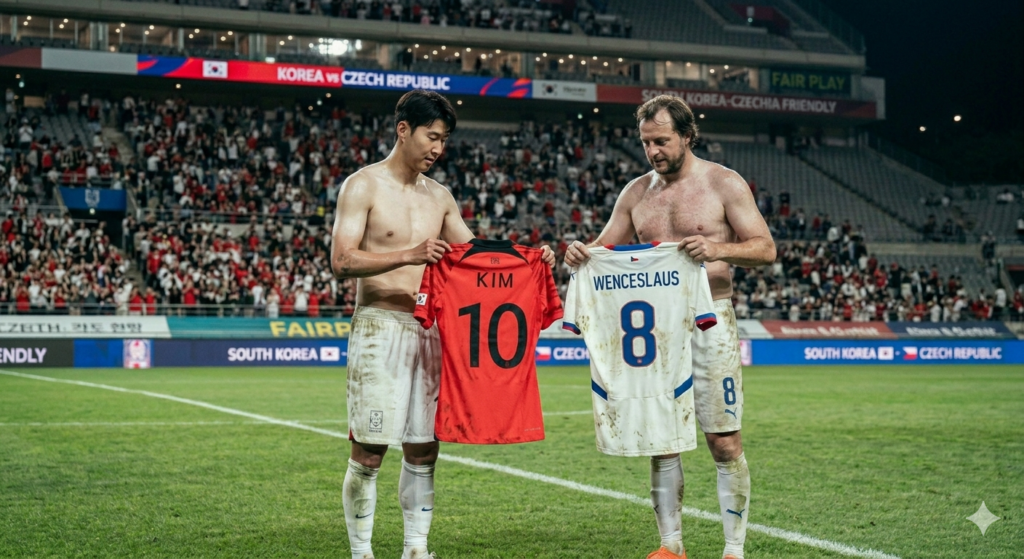
Our Lady of the Immaculate Conception is also Patroness of South Korea, but Saint Andrew Kim was the first Korean priest.
He followed his vocation despite tremendous social obstacles and was eventually martyred.
The Czech Republic also has several patron saints, but why not choose one whose name includes the word ‘Vence’? It seemed obvious to me.
1. Guadalupe (México) v. Assumption (South Africa)
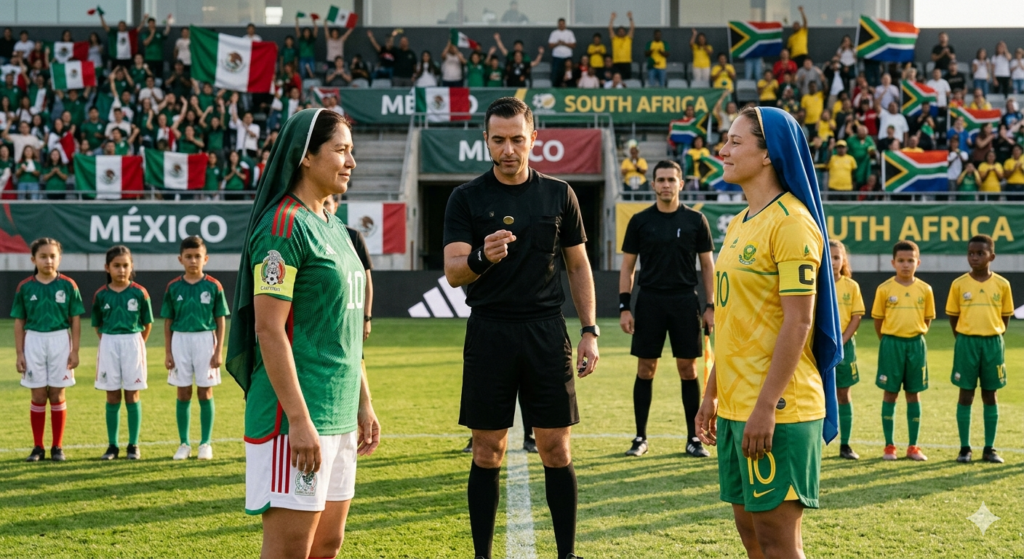
Today we begin with the contest between Our Lady of Guadalupe, playing at home, and Our Lady of the Assumption.
The Virgin of Guadalupe is the patron saint of Mexico. Devotion to her is based on her apparitions to the indigenous man Juan Diego in 1531. She would later become a symbol of the struggle for Mexican independence. Her image is said to have been imprinted on Juan Diego’s cloak.
On the opposing side is Our Lady of the Assumption, patron saint of South Africa since 1952, just two years after the Dogma of the Assumption was proclaimed. According to some sources, the notion that Our Lady ascended to Heaven in body and soul reinforces the idea of the ontological dignity of the human body, which was particularly prophetic for a country like South Africa during the apartheid era.
Forecast: Guadalupe is playing at home, so she has the advantage. Age might be a factor, but given the theory that Our Lady, having no original sin, did not age, this becomes irrelevant in this case. The fact that they are two invocations of the same person also helps to even out the differences.